
- calendar_today August 10, 2025
Introduction
Wisconsin’s economy is buzzing with excitement as Dow Jones futures surge on news of a looser new approach being embraced by the U.S. on tariffs following recent comments made by former President Donald Trump. The action grabbed attention in Wisconsin from its investors, entrepreneurs, and policymakers as a state with pillars of industry like manufacturing, agribusiness, and tech has much to gain potentially from changing trade policy.
Trump’s message of tariff flexibility has given hope to the nation’s financial markets as a whole, but the potential effect on the Wisconsin economy is particularly significant. The state, best known for manufacturing prowess, agricultural shipments, and newly burgeoning technology sectors, could have both short-term relief and long-term growth if tariffs are realigned to become a reality.
Trump’s Tariff Adjustment Signals Market Optimism
In a public speech, former President Trump suggested that America should start moving towards a more adjustable tariff policy, which would resolve foreign trade disputes but still maintain pressure on important trading nations. The news sent Dow Jones futures soaring upwards and rested on a general assumption that fewer tariffs would exert less pressure on U.S. businesses, particularly those that are exposed to international trade.
For Wisconsin, whose economy is diversified, the proposed tariff changes could spell good news for many sectors. Investors and business people are following events closely, eager to see whether the rumoured changes are indeed followed up with by becoming real policy changes that could stabilize supply chains as well as reduce costs.
How Wisconsin’s Industries Are Responding
Manufacturing Sector Relief
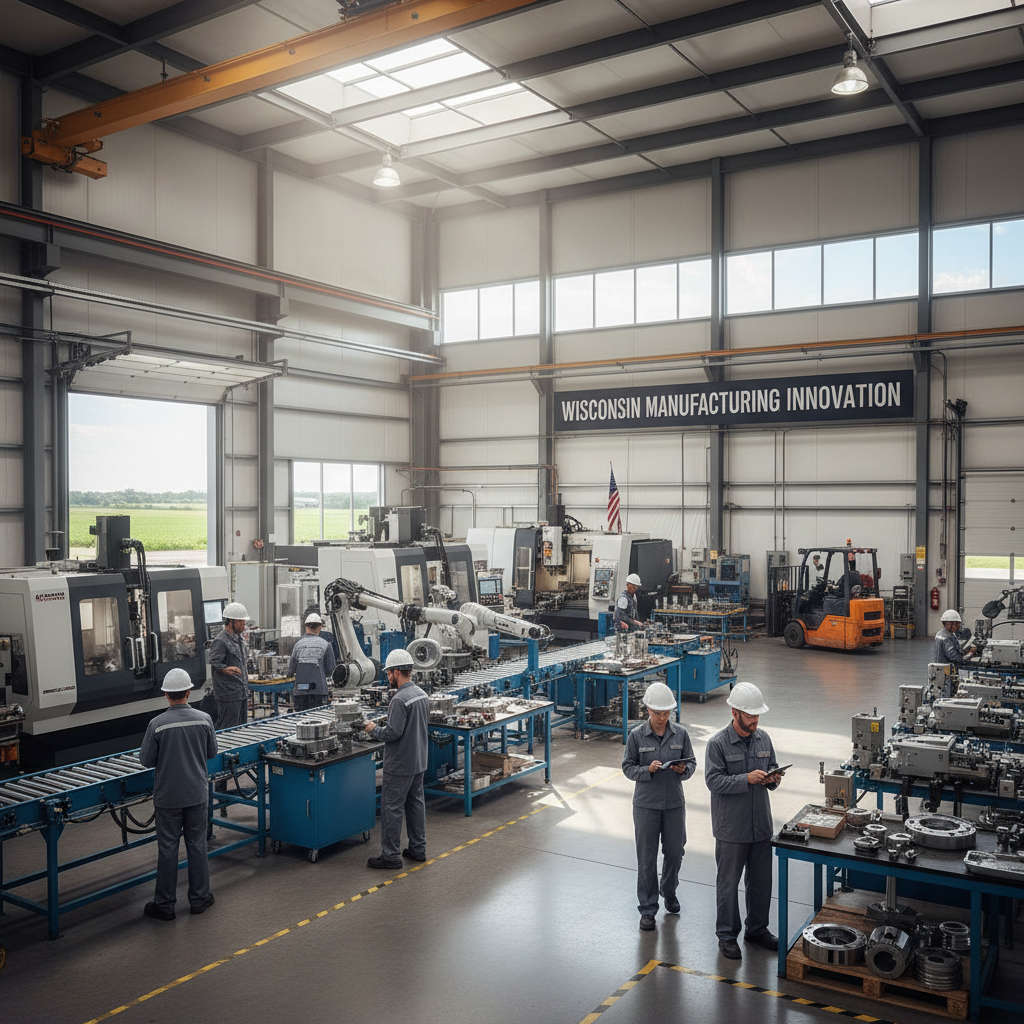
Wisconsin’s manufacturing sector, a mainstay of its economy, has long been subject to the whims of international trade policy. Industries such as machinery manufacturing, auto parts, and factory equipment have experienced higher input costs due to tariffs on raw materials and foreign components.
If the tariff reductions stand, Wisconsin manufacturers may already be able to sense some relief, especially those industries reliant upon steel, aluminum, and other metals. Wisconsin Manufacturers & Commerce indicates that cost savings would not just lower production costs but could also boost profit margins and a competitiveness edge in global markets.
Michael Johnson, CEO of a Wisconsin-based machinery company, said: “The news that tariff relief may be in the works gives us hope. It enables us to prepare for long-term growth without the nagging fear of rising material costs. We can invest those savings in innovation and hiring more employees.”
Agriculture’s Positive Outlook
The farm economy of Wisconsin, particularly dairy farming and crop farming, has been hit directly by trade barriers. Through the imposition of tariffs on farm products like corn, cheese, and dairy, farmers in the local area have been faced with uncertain prices and markets, particularly from major trading partners like Canada and China.
If tariffs go down, Wisconsin farmers can recover lost market share, boosting demand for state farm products. One of the biggest segments of Wisconsin’s agricultural economy, the dairy industry, can benefit significantly from tariff cuts that open up foreign markets, stabilize prices, and spur investment in agriculture infrastructure.
Technology and Innovation
But unlike agriculture and manufacturing, the Wisconsin tech sector would benefit enormously with the elasticity of tariffs. This is because many technology companies in the state are dependent on steady inputs of parts and components from worldwide markets, with circuit boards, semiconductors, and other key technology inputs having become a chief deterrent to costs because of their tariffs.
With some tariff relief, Wisconsin tech companies could reduce their overhead better, allowing those savings to be invested in research and development. More reduced overhead costs imply more new ideas and an excellent ticket for the shop in the budding fields of artificial intelligence, robotics, and clean energy technologies.
The Economic Implications for Wisconsin
With tariff reduction, there are other economic implications that this could have for the state of Wisconsin, such as:
Greater Business Confidence
A stable trade environment would encourage long-term investments by the industries in question. The lesser the tariff risk, the more companies would invest in expansion, hiring more workers, and selling to new markets. This will consolidate the state economy, attracting even more investments from outside the state.
Consumer Benefits
Lowered tariffs would likely translate into lower import prices, and that would have a trickle-down effect to Wisconsin consumers in terms of cheaper prices on all manner of products, ranging from food to electronics. This would indirectly assist Wisconsin families through increased buying power, maybe encouraging consumer expenditure and confidence throughout the state.
Job Creation
Reducing tariffs would also create jobs in sectors like manufacturing, agriculture, and technology. As supply chains are stabilized and production costs come down, companies would be able to hire more labor to meet surging demand. Such employment would be beneficial for the populations across Wisconsin, especially to rural populations that are reliant on farming.
Financial Analysts’ Perspective
Wisconsin financial analysts are cautiously optimistic about the long-term effect of tariff changes. While the initial market reaction was upbeat, they emphasize that Washington needs to offer clarity and consistency in terms of the specifics and timeline of tariff changes.
Karen Walters, a financial analyst at Milwaukee, said: “Encouraging as the Dow Jones futures rise is, we still have to see policy details before speculating long-term trends. The devil’s in the details here, and it will take a while to find out just what extent these tariff changes include.”
Political and Market Considerations
Trump’s tariff policy revision is seen as a balancing act—attempting to address economic challenges while maintaining bargaining leverage in trade negotiations with the rest of the world. Political pundits opine that these are steps that lead to broader trade policy reforms for the benefit of domestic industries as well as international relations.
The flexibility in tariffs policy would also influence the subsequent elections and impact the broader national economic landscape, with Wisconsin at the forefront of the call for the debate. If the tariffs shift persists, this will be seen as a victory for business-friendly policies supporting economic growth.
Conclusion
In short, the promise of lower tariffs has swept a wave of optimism across Wisconsin, inspiring businesspeople from farmers to manufacturers to tech entrepreneurs. As Dow Jones futures continue to rise, investors and businesspeople in the state remain cautiously optimistic about the future and are looking forward to grasping opportunities ahead. Despite all this, a great deal will remain in suspension as far as the details of any future tariffs and their operation at a domestic level are concerned.


