- calendar_today August 8, 2025
Rising Import Costs and Supply Chain Disruptions Hit Wisconsin’s High-End Auto Market
Trump’s trade policies, including tariffs on European and Chinese imports, are reshaping Wisconsin’s luxury auto sector, driving up prices and shifting consumer demand.
Wisconsin Luxury Auto Dealers Grapple with Trade Policy Fallout
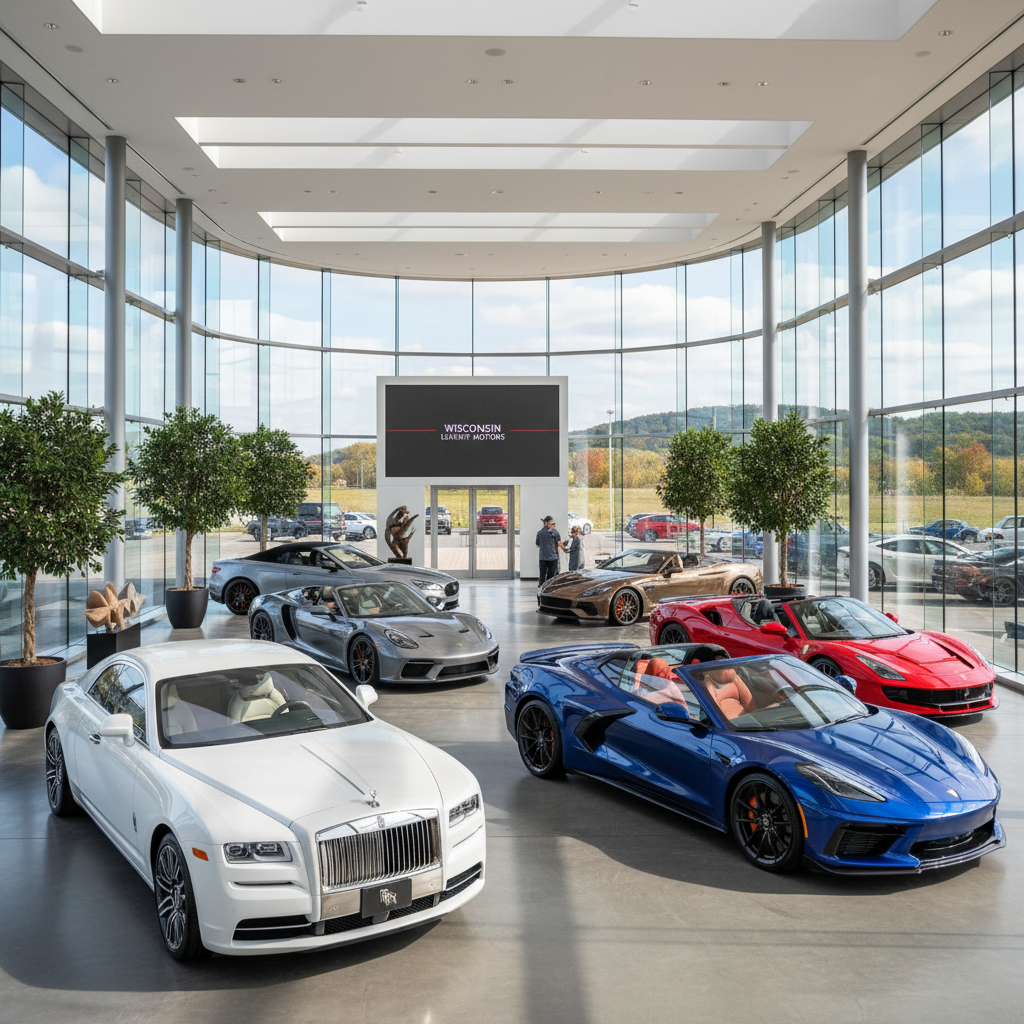
Luxury auto dealers across Wisconsin are feeling the lasting effects of former President Donald Trump’s trade policies, which continue to impact the market in 2025. Tariffs on European and Chinese vehicle imports have disrupted supply chains, inflated vehicle prices, and forced dealerships to adjust their strategies in a highly competitive landscape.
With Milwaukee and Madison serving as major luxury auto markets, Wisconsin has a strong demand for high-end vehicles, especially from brands like Mercedes-Benz, BMW, and Audi. However, these brands have struggled with rising import costs, leading to higher sticker prices and reduced sales at dealerships across the state.
European and Chinese Auto Imports Face Steep Tariffs
Trump’s administration imposed tariffs on a range of imported vehicles and auto parts, particularly those from Europe and China. These policies, initially intended to reduce the US trade deficit, have instead resulted in increased costs for luxury automakers, ultimately affecting consumers in Wisconsin.
BMW and Mercedes-Benz, which rely on European manufacturing for many of their high-end models, saw the cost of importing these vehicles rise. Meanwhile, Chinese luxury EV brands such as Nio and Polestar faced additional hurdles, making them less competitive in Wisconsin compared to domestic alternatives.
Price Increases and Changing Consumer Behavior
Wisconsin consumers, particularly in affluent areas like Brookfield and Mequon, have traditionally had strong demand for luxury vehicles. However, dealerships report that rising costs of imported cars have led to shifting consumer preferences. Some buyers have delayed purchases, while others have turned to pre-owned luxury cars to avoid price hikes.
According to industry analysts, the average price of a new European luxury sedan in Wisconsin has increased by 10-15% since the introduction of tariffs, making financing more expensive. In response, automakers have introduced aggressive leasing and financing offers, but these incentives have not fully countered the price increases.
The Rise of Domestic and Electric Luxury Vehicles
As tariffs continue to shape the market, domestic luxury brands such as Cadillac and Lincoln have gained traction. These American-made alternatives are being positioned as cost-effective options for consumers looking to avoid the premium pricing of imported brands.
Tesla has also benefited from the shifting landscape, with Wisconsin dealers reporting strong sales of the brand’s high-end electric vehicles. Without facing the same tariff burdens as European and Chinese manufacturers, Tesla’s pricing has remained more stable, making it a more attractive option for luxury buyers in 2025.
Future Outlook: Will Trade Policies Shift?
While President Biden’s administration has modified some aspects of Trump’s trade policies, many tariffs remain in place. Wisconsin auto dealers are closely watching trade negotiations to see if further adjustments will be made that could ease the burden on imported luxury vehicles.
For now, dealerships must navigate a complex market where rising costs, changing consumer preferences, and geopolitical trade tensions continue to shape the future of luxury auto sales in Wisconsin. Brands that adapt through local manufacturing, innovative financing options, and competitive pricing will have the best chance of maintaining a strong presence in the state.
Conclusion
Trump’s trade policies have left a lasting impact on Wisconsin’s luxury auto market. While some dealerships struggle with higher import costs, others are pivoting to domestic brands and electric vehicles to stay competitive. As the market continues to evolve, both dealers and consumers will need to adapt to an increasingly unpredictable luxury auto landscape.