- calendar_today August 14, 2025
Businesses and Consumers Adjust to Interest Rate Unpredictability
Wisconsin’s economy is in the process of adjustment as the Federal Reserve telegraphs its interest rate strategy for 2025. Although inflation has moderated from its high, borrowing costs are still elevated, influencing everything from the purchase of housing to business investment. As the Fed waits and sees, Wisconsin’s economic landscape is changing as consumers, industries, and policymakers adjust to changing economic conditions.
All the Wisconsin homebuyers and entrepreneurs can think about is whether or not the Fed will cut interest rates later in the year or maintain the current path. There are those expecting relief, there are those stockpiling on the assumption that this is to be a protracted era of rising borrowing.
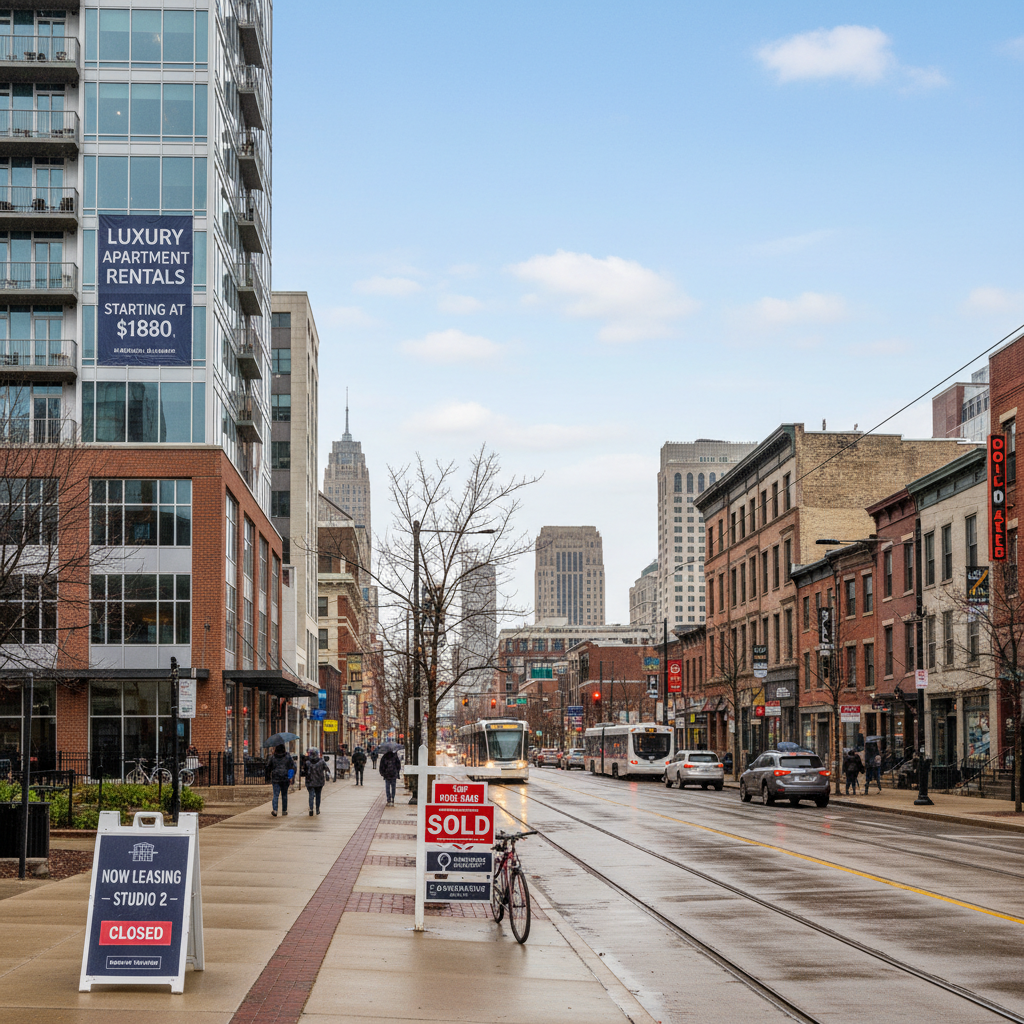
Wisconsin’s real estate market, like most across the country, has been severely impacted by very high mortgage rates. While housing demand is robust, homebuyers’ affordability, particularly that of first-time homebuyers, is a gigantic problem.
Higher Mortgage Rates Slow Home Sales
As long as mortgage rates remain high, most prospective homebuyers are waiting, hoping that the rates will fall.
Home sales have trailed other years, especially in urban centers like Milwaukee and Madison.
Sellers Unwilling to Place Homes on Market
Homeowners don’t want to sell when mortgage rates are low, which puts a cap on supply.
The restricted supply keeps home prices firm even though fewer people can afford them.
Increased Demand for Rentals
Since fewer people are buying homes, the rental market is facing increased demand.
Increased rents are placing financial burdens on numerous families, particularly in urban cities.
Business Investment and the Cost of Borrowing
The economy of Wisconsin is based on manufacturing, agriculture, and health care industries that rely on capital to grow. The action by the Fed to keep interest rates at high levels has increased the cost of borrowing, and it costs more for businesses to grow.
Manufacturers Get Hit
Wisconsin’s thriving manufacturing sector is hit as increasing loan prices make new acquisitions of equipment and expansion unaffordable.
Export businesses are also struggling with the strength of the U.S. dollar that’s making products produced in the U.S. more expensive to purchase for overseas consumers.
Small Businesses Losing Money Due to Credit Costs
Small business owners and entrepreneurs, who finance businesses using loans, are losing money with high interest rates.
Other firms have delayed hiring or growth plans, waiting for potential rate cuts.
Consumer Spending and Job Market Trends
Wisconsin consumers are cutting back as rates climb. Even as the job market remains firm, growth slows as businesses face uncertainty in the economy.
Consumers Cut Back on Discretionary Spending
All-time high credit card interest translates into consumers trimming spending on discretionary expenses.
A grocery store retailer like staple service businesses are seeing solid demand but discretionary is slowing up.
Job Market Remains Solid but Vulnerable
The state of Wisconsin’s unemployment level remains low but wages are decelerating gains.
Hospitality and retail sector companies are making refinements to increase hiring after consumer demand.
Will the Fed Reduce Rates in 2025
The Federal Reserve in searching for market indicators, will observe most Wisconsin citizens waiting to see if rate cuttings are on the horizon. If consumer prices remain in check, then the Fed cuts rates later in 2025, sending relief to homeowners and customers alike.
If the Fed Cuts Rates
Home mortgage rates would decrease, allowing it to be more affordable to buy a home.
Business loans would be cheaper, promoting investment and hiring.
Consumer expenditures could bounce back, spurring economic activity.
If Rates Don’t Fall
The cost of credit will continue to be high, limiting business expansion.
Affordability of housing will continue to be an issue.
The labor market may weaken further as companies adjust to financial stress.
Conclusion
Wisconsin’s economy is reacting to the Federal Reserve’s rate forecasts, finding a balance of uncertainty and robustness. Although relief can take the form of a potential rate reduction, firms and consumers should be ready for additional economic alterations.