- calendar_today August 28, 2025
There was a robust spate of corporate mergers and acquisitions (M&A) in Wisconsin in the early months of 2025. The spate was not just in terms of magnitude but influence as well. Businesses from various industries—manufacturing, finance, healthcare, and tech—decided to merge to expand, diversify services, or venture into new markets. The boom in M&A indicates that Wisconsin’s economy is progressing with optimism.
Let’s take a closer look at what’s going on, which industries are driving change, and what it might mean for the people and businesses of the state.
Why Are Mergers and Acquisitions Occurring Now?
Mergers and acquisitions occur when firms purchase or merge with other firms. This can assist them:
- Grow more quickly
- Provide more products or services
- Access new customers
Reduce costs and become more efficient
In 2025, many reasons are inviting Wisconsin businesses to make these large moves:
- Stronger economy: Companies are performing well after rebounding from previous slumps.
- More investor interest: Investors find potential in the Midwest.
- New technology: Businesses want to remain competitive by accessing improved tools and systems.
- Skilled workers: Wisconsin maintains a strong and educated population.
Big Deals in Manufacturing
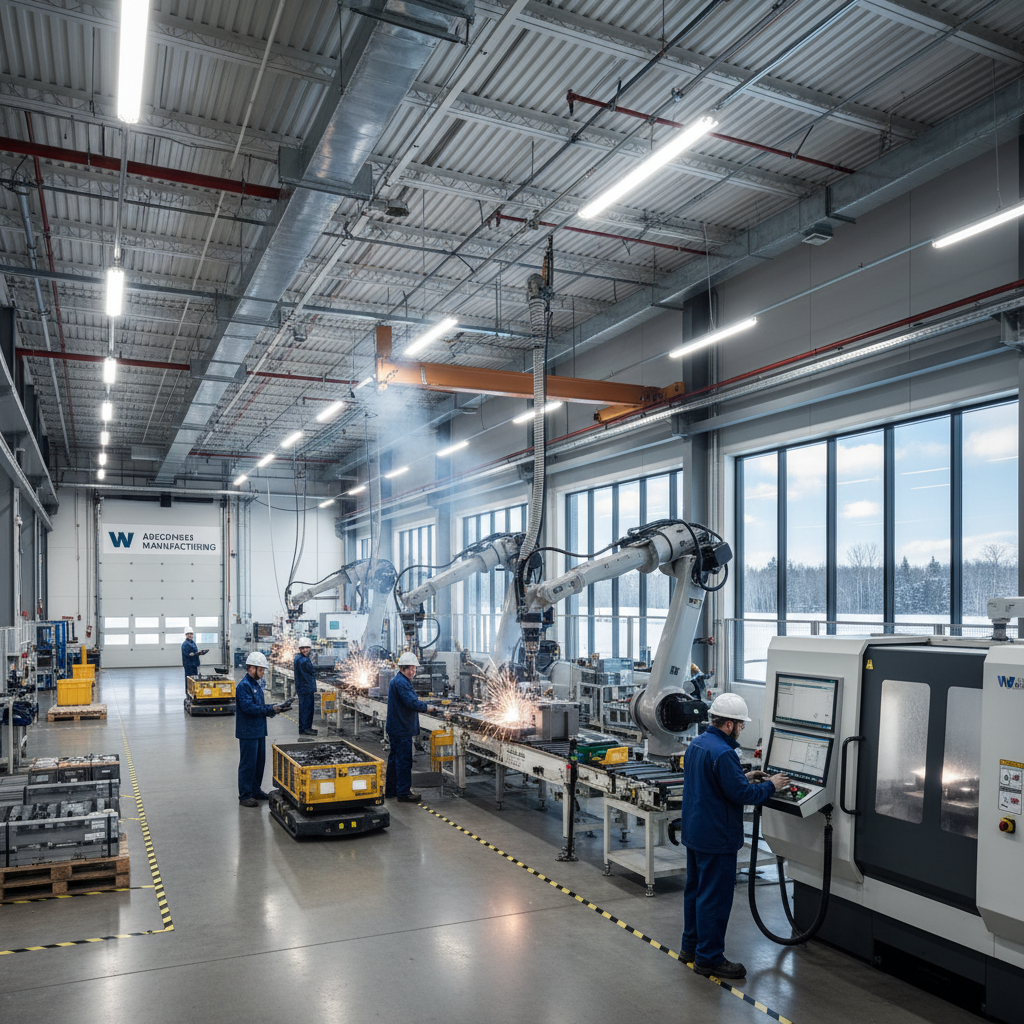
Manufacturing has consistently been one of the most important sectors of Wisconsin’s economy. At the start of 2025, manufacturing businesses made some of the largest shifts.
A prime example is Milwaukee-based R&B Wagner, which produces metal products. In 2025, it acquired a local metal fabricator. The transaction assists Wagner in enhancing its manufacturing, increasing its product lines, and acquiring new customers. It’s a good move for remaining robust in a competitive marketplace.
Another large one, Johnson Controls of Milwaukee, grew by acquiring a European firm named Webeasy. Webeasy is in the business of smart building systems. Johnson Controls gains access to more advanced technology and new international markets.
These transactions indicate how Wisconsin manufacturers are not only attempting to survive—they’re setting themselves up to lead.
Financial Services Grow Bigger
The financial sector itself is also experiencing robust M&A. One of the largest of Wisconsin’s companies in the sector is Fiserv, headquartered in Brookfield. Fiserv specializes in financial technology—things such as mobile banking, payment processing, and business software.
In early 2025, Fiserv acquired several companies. It acquired Payfare, a firm that facilitates instant payments to gig workers (such as Uber drivers). It also acquired Pinch Payments, an Australian firm that provides simple payment solutions for small businesses.
These efforts assist Fiserv in its global expansion and in introducing new services to its clients. More significantly, they demonstrate that Wisconsin’s finance sector is progressive and willing to take the lead in fintech (financial technology).
Healthcare Makes Significant Investments
Healthcare is also one of the expanding industries in Wisconsin, and 2025 is an enormous year.
One of the biggest transactions was the acquisition by Eli Lilly of a plant owned by Nexus Pharmaceuticals in Pleasant Prairie. The transaction was valued at almost $925 million. This will increase Lilly’s capacity to produce medicines and boost healthcare-related employment in the state.
In another large transaction, a Wauwatosa health center known as the Tosa Health Center was acquired for more than $52 million by a developer, Hammes. This demonstrates that there is heavy demand to construct improved healthcare buildings and attract more investment in the area.
Tech and Engineering Deals
Though not as numerous as other sectors, the engineering and technology sector also saw some significant acquisitions. Wisconsin tech firms are leveraging M&A to enhance their capabilities, acquire new customers, and provide more sophisticated services.
These transactions keep Wisconsin up-to-date and competitive, particularly as businesses increasingly rely on digital services and automation.
What Does All This Mean for Wisconsin?
This spate of M&A is a significant development for many reasons:
1. More Opportunities and Jobs
When businesses expand, they tend to require more employees. Some positions may vary, but new ones will likely emerge, particularly in fields such as technology, logistics, medicine, and finance.
2. More Investment within the State
As international and national businesses invest in Wisconsin companies, it brings capital into the state economy. This can result in upgraded infrastructure, increased services, and healthier communities.
3. More Robust Local Businesses
Smaller businesses that get acquired or partnered with bigger businesses can gain access to new equipment, improved systems, and experienced leadership. This enables them to develop quicker and compete better.
What Should We Expect Next?
If the trend holds, we should anticipate seeing even more mergers and acquisitions in the course of 2025. Some sectors to look out for are:
- Green energy: Solar, wind, and EV charging businesses can merge to develop faster.
- Food and agriculture: Wisconsin’s dairy and agriculture firms could see deals coming their way as the sector becomes more modern.
- Software and automation: As companies automate, technology startups could be bought to provide intelligent solutions.
Wisconsin’s business landscape is evolving rapidly in 2025. The powerful tide of mergers and acquisitions is making companies grow, connect, and get ready for the future. For employees, investors, and communities, these transformations may bring improved jobs, increased opportunities, and a robust economy.
Change can be uncertain, but it’s also thrilling. As Wisconsin remains ahead in manufacturing, finance, healthcare, and so much more, the horizon appears bright—and full of opportunity.