- calendar_today August 9, 2025
A Balanced Recovery Across the Badger State
Wisconsin’s commercial real estate market in 2025 is quietly rebounding. While the national conversation often focuses on the volatility in coastal hubs, the Badger State offers a contrasting narrative—marked by gradual, sustainable growth and sector-specific adaptations. After years of pandemic-related disruption, developers, tenants, and investors in Wisconsin are finding their footing, particularly in logistics, retail, and multifamily properties.
This recovery may not be headline-grabbing, but its underlying fundamentals point to a market built for longevity. From Milwaukee’s industrial corridors to revitalization efforts in mid-sized cities like Green Bay and Kenosha, commercial activity is trending upward.
Industrial Real Estate: Wisconsin’s Strongest Performer
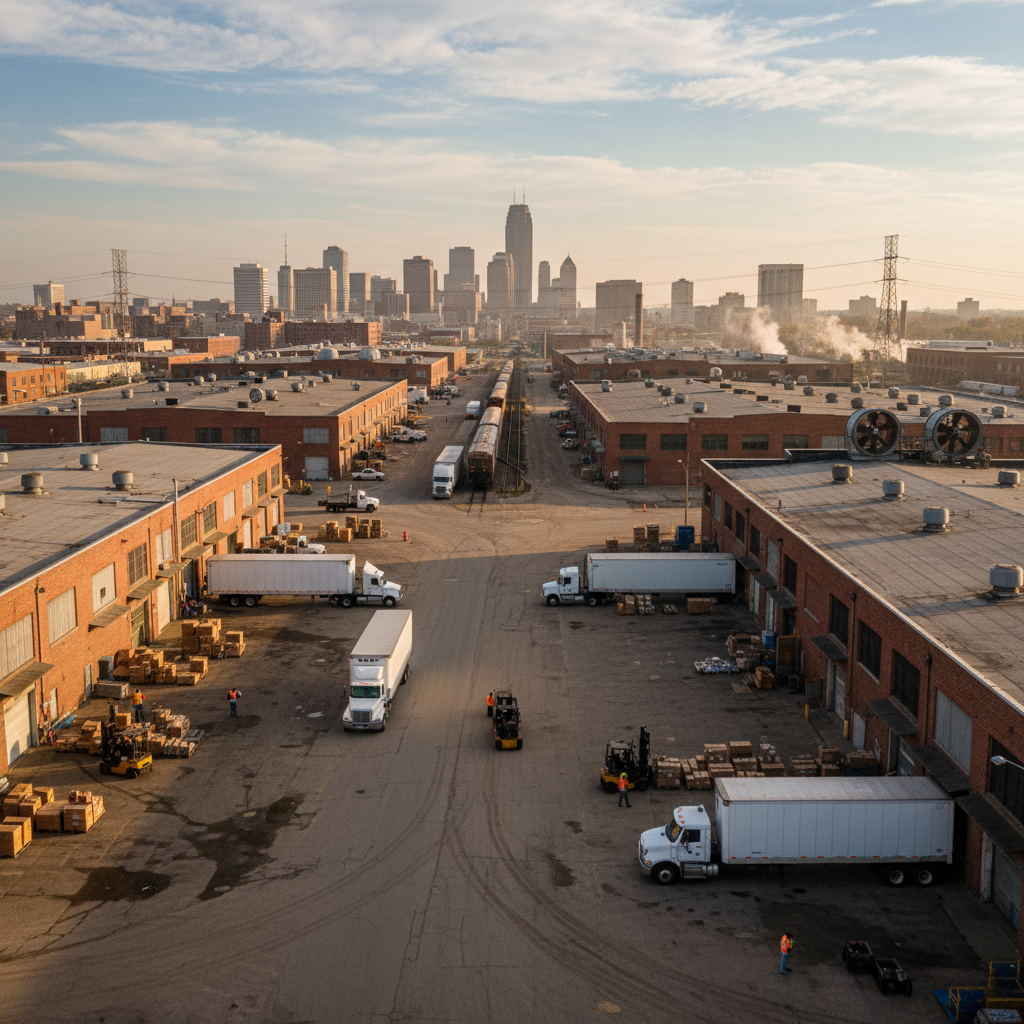
The industrial segment continues to be Wisconsin’s commercial real estate anchor in 2025. According to the latest data from the Wisconsin Economic Development Corporation (WEDC), industrial vacancy rates statewide dropped to 4.1% in Q2 2025—down from 5.7% a year prior. E-commerce fulfillment centers, third-party logistics providers, and local manufacturers are driving this demand.
Milwaukee’s Menomonee Valley has seen significant leasing activity as companies seek proximity to regional transportation hubs. With Interstate 94 and nearby rail access, the corridor is becoming a preferred logistics nexus. Meanwhile, Amazon and Uline have expanded operations in southeastern Wisconsin, boosting warehousing demand across the Kenosha-Racine corridor.
“The industrial market is exceptionally tight,” said Laura Zimmermann, a senior broker with Colliers Wisconsin. “We’re seeing build-to-suit projects move faster than they did even before the pandemic.”
Office Space Adapts, Not Collapses
Wisconsin’s office market is evolving, not collapsing—a critical distinction in 2025. While urban centers like Milwaukee saw rising vacancy rates during the remote work era, the trend is slowly reversing. Flexible workspace models and suburban office parks are seeing renewed interest from midsize firms looking to downsize traditional footprints while retaining collaborative environments.
In downtown Madison, hybrid-ready office renovations are trending. The Capitol East District has become a magnet for tech companies and startups, aided by proximity to the University of Wisconsin-Madison and its steady stream of talent.
According to CBRE Wisconsin, Madison’s office vacancy declined to 13.9% in early 2025, from 15.1% in the previous year. Class B buildings are being repositioned into creative spaces or converted into mixed-use developments, a trend that’s helping soften oversupply concerns.
Retail: A Localized Rebirth
Brick-and-mortar retail in Wisconsin isn’t experiencing a renaissance—but it is undergoing a meaningful redefinition. Instead of high-end malls or large department stores, retail resilience is emerging in community-centered, small-scale formats. Retail strips anchored by essential services—like pharmacies, grocers, and fast-casual dining—are thriving, particularly in mid-sized cities.
In Wausau and Eau Claire, revitalization of main streets and town centers has attracted local entrepreneurs, breweries, and farm-to-table eateries. This localization of retail is becoming a core strength in Wisconsin’s commercial profile, especially as residents increasingly value neighborhood walkability and locally owned businesses.
Foot traffic is recovering in these markets, and retail vacancy in secondary cities is trending below the national average. A 2025 report from the Wisconsin Retail Council notes a 3.8% increase in retail lease renewals statewide, reflecting cautious optimism.
Multifamily Demand Remains Elevated
Wisconsin’s multifamily sector is one of the most robust pillars of the 2025 recovery. Limited housing inventory, rising mortgage rates, and increased in-migration from higher-cost states have kept rental demand elevated across urban and suburban zones.
Madison and Milwaukee continue to lead in new multifamily construction, particularly in transit-accessible areas. However, cities like Appleton and Janesville are also seeing upticks in permits and planned developments.
Rents are rising modestly—by 3.5% year-over-year—according to data from Zumper, but remain affordable compared to national averages. Vacancy rates remain below 5% in key markets, indicating continued investor confidence.
“Multifamily is where the long-term smart money is going,” said Raj Patel, a regional developer based in Milwaukee. “There’s stable demand, favorable demographics, and municipal support for higher-density living.”
Interest Rates and Financing Conditions
The Federal Reserve’s policy of holding interest rates steady in 2025 is offering a degree of predictability for Wisconsin investors. However, underwriting remains stringent, and lenders continue to favor deals with strong cash flow or pre-leased assets.
Wisconsin-based lenders, such as Associated Bank and Johnson Financial Group, have reported a cautious uptick in commercial loan approvals, especially for industrial and multifamily developments.
Cap rates have widened slightly—averaging 6.3% across commercial segments—which is drawing attention from out-of-state investors seeking yield in stable Midwestern markets.
Public and Private Sector Support
Wisconsin’s recovery has also been aided by smart policymaking. The state’s Main Street Bounceback Grant Program, which launched during the pandemic, continues to support small business tenancy in vacant commercial spaces. Meanwhile, targeted tax incentives in opportunity zones—particularly in Racine and Beloit—have spurred new private investments.
The state’s commitment to infrastructure modernization, including ongoing improvements to the I-94 corridor and port expansions in Green Bay, is also laying the groundwork for long-term commercial growth.
Challenges Still Loom
Despite encouraging signs, challenges remain. Construction costs are still elevated, and labor shortages in construction and skilled trades persist. Additionally, not all Wisconsin cities are benefiting equally from the rebound. Rural areas with limited economic diversification continue to face stagnant commercial demand.
Environmental concerns are also shaping development decisions. In flood-prone areas along Lake Michigan and the Mississippi River, climate resilience is now a key part of zoning and investment decisions.
Final Thoughts: A Slow But Steady Recovery
Wisconsin’s commercial real estate market in 2025 is not marked by dramatic booms or busts—but by methodical, steady progress. Its resilience stems from sectoral diversity, community-driven growth, and a stable economic base.
While Wisconsin may not garner national headlines, its recovery offers a blueprint for how mid-sized markets can weather disruption and chart a sustainable course forward. As long as the state continues to invest in infrastructure, foster business-friendly environments, and support housing development, commercial real estate in the Badger State appears well-positioned for the future.