- calendar_today August 12, 2025
Introduction
Wisconsin’s main industries and financial markets are undergoing economic change as the trade policies of former President Donald Trump take hold. As new tariffs, new trade agreements, and new international trade relationships kick in, local investors, policymakers, and businesses are waiting with bated breath to learn the full impact on the state’s economy. As Wisconsin is home to principal industries such as manufacturing, agriculture, and technology, the effects of these changes are being seen across the board.
Market Reactions: Consumer and Firm Response in Wisconsin
When trade policies change, the Wisconsin economy responds in varied ways. Companies re-strategize, investors consider the upside-down tendency in markets, and customers pay more for products that are imported. The state’s industries are preparing themselves for the possible suffering they might endure in the future, and economic uncertainty is pressing on firm, as well as consumer, decisions.
Stock Market Fluctuations
Local investors are watching the Dow Jones and Nasdaq closely, which have been growing more volatile with the changing economic environment. With trade policy and tariffs being put into action, the stock market has been unpredictable, leaving financial planning uncertain for individuals and businesses. Investors are rebalancing their portfolios, and many are looking for safe assets to balance out the risks from changes in trade policy.
Manufacturing and Trade Challenges
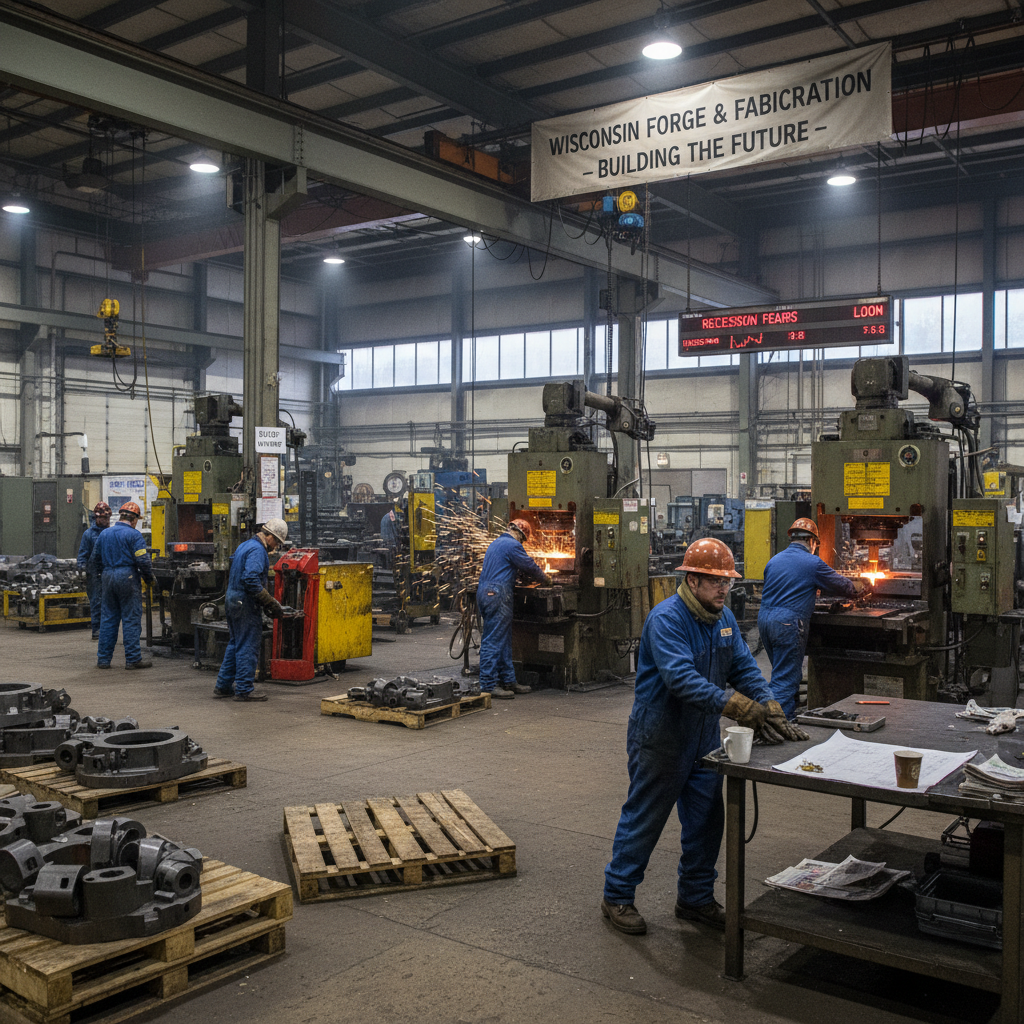
Wisconsin enjoys a robust industrial base, supported by industries like paper manufacturing, machinery, and food processing being the backbone of its economy. The effect of Trump’s trade policies on all these industries is significant. Many regional manufacturers worry about increased cost of production arising from increased tariffs on raw material inputs, for example, steel and aluminum, which may put up the finished product cost. These increases in tariffs may lead to:
- Higher cost of doing business as manufacturers seek new suppliers or pass on higher costs.
- Disruptions to the supply chain, causing production and delivery delays, since most of the materials are imported.
- Reduced jobs or reduced hiring, as firms adapt to higher costs and reduced profitability.
When manufacturers adapt, the shockwaves could be felt by retail and consumer businesses, also impacting economic growth in the state.
Consumer Confidence
The retail industry is experiencing the pinch of increased prices on imported products. From electronics to household items, things are getting costlier with raised tariffs, potentially weakening household purchasing power. With Wisconsin residents paying more for day-to-day products, consumer confidence could be shaken, resulting in:
- Lower discretionary spending, particularly in sectors like electronics, apparel, and leisure products.
- Shifting consumption patterns, with a possible inclination towards more locally manufactured or domestic goods.
- Greater dependence on government subsidies if cost-of-living rises make it more difficult for families to control their spending.
Changes in Key Trade Policies and Their Impacts
Trump’s trade policies include various important measures that could sharply impact Wisconsin’s economy. Wisconsin’s enterprises and industries are struggling with the possible ramifications of these shifts.
Adjustments in tariffs
One of the most significant changes under the new trade policy is the raising of tariffs on products like steel, aluminum, and electronics. For Wisconsin, whose manufacturing depends greatly on cheap imports, these tariffs could:
- Increase manufacturing costs for such industries as auto, technology, and industrial manufacturing.
- Increase the cost of imported goods for consumers, further increasing the cost of living throughout the state.
Revised Trade Agreements
Trump’s renegotiation of trade deals might change the terms on which Wisconsin sells goods abroad. The agriculture of the state, particularly its dairy and grain exports, stands to be hit by shifts in global trade policies. These updated deals might:
- Decrease access to markets in major foreign markets for Wisconsin agricultural products.
- Evoke export uncertainty as trade arrangements with nations like China and Mexico become uncertain.
Supply Chain Shifts
Wisconsin companies are also reassessing their supply chains due to possible disruptions. Businesses are investigating alternative sourcing strategies, including:
- Diversifying suppliers to minimize dependence on tariff-affected nations.
- Reassessing production sites, with some businesses considering reshoring to sidestep global trade risks.
- These changes in business tactics are adding to the uncertainty over the state’s economy.
Impact on Wisconsin’s Key Industries
A number of Wisconsin’s key industries are directly affected by Trump’s trade policies.
Manufacturing Sector
- The state’s manufacturing industry, especially the paper and machinery sectors, is experiencing high-cost pressures from tariffs on raw materials. These increased costs of production could compel some firms to:
- Increase prices, impacting the affordability of Wisconsin-produced goods.
- Reduce production or staff if profit margins are compressed too much.
Agriculture and Dairy Exports
Being one of the country’s leading dairy producers, Wisconsin’s farm industry is experiencing problems with trade disruptions. Increased tariffs on farm exports, especially in the dairy and grain sectors, may:
- Reduce demand for Wisconsin products in global markets, especially in Canada and Mexico.
- Damage farmers’ profit margins, causing some to explore alternative sources of income or dependency on government subsidies.
Technology and Innovation
Technology companies, particularly those that sell electronics and machinery, can also be affected by supply chain disruptions. As tariffs increase the cost of vital components, Wisconsin’s technology firms are adapting to:
- Increased costs of production for innovation-based products.
- Postponements in product development schedules due to supply chain problems.
Looking Ahead: Economic Trends and Business Strategies
With Wisconsin businesses and investors adapting to the changing trade landscape, some factors to monitor include:
Inflation and Pricing
The effect of tariffs on inflation is a primary concern for consumers and businesses alike. Increasing costs of goods would further curtail consumer expenditure, impacting local businesses across the board.
Global Trade Relationships
The renegotiation of trade agreements will remain influential in shaping Wisconsin’s export industries, especially in agriculture. Trade negotiations and agreements will play an essential role in determining the future of the state’s economy.
Stock Market Adjustments
Market volatility, spurred by changes in trade policy, will remain a contributor to investor mood. Investment strategies are expected to be adjusted to factor in higher volatility as companies respond to shifts in the economy.
Conclusion
Wisconsin’s economy is at a time of uncertainty as Trump’s trade policies redefine major sectors. While some sectors can enjoy protection, others are experiencing increasing costs and supply chain disruptions. As trade policies change, Wisconsin businesses and investors will keep going through these economic challenges, looking to find opportunities in the changing landscape.