- calendar_today August 9, 2025
U.S.–China Trade War Heats Up: What It Means for Wisconsin’s Economy & Investors
The latest flare-up in U.S.–China trade tensions has sent shockwaves across global markets—and Wisconsin is feeling the tremors firsthand. With a heavy reliance on manufacturing and agriculture, the Badger State stands at a critical intersection of policy and profit.
President Trump’s return to office in 2025 has reignited tariff battles with Beijing, prompting aggressive retaliation from China. The implications for investors in Wisconsin? Deeper uncertainty—but also strategic openings.
April 2025: Key Developments in the Trade Rift
President Trump imposed a new 54% tariff on Chinese imports, ranging from consumer electronics to automotive parts. The move is aimed at reshoring industry and protecting national interests.
China struck back fast:
- 34% Tariff on U.S. Goods: Affecting major Wisconsin exports like dairy and soybeans, these new tariffs increase pricing pressure and shrink market access. (Source: Reuters)
- Rare Earth Export Limits: Critical materials used in Wisconsin’s advanced manufacturing and green tech sectors are now harder—and more expensive—to import. (Source: The Times of India)
- WTO Complaint Filed: China officially challenged U.S. actions via the World Trade Organization, increasing legal and political tensions. (Source: Deccan Herald)
Impact on Wisconsin’s Core Industries
1. Dairy & Agriculture Under Pressure
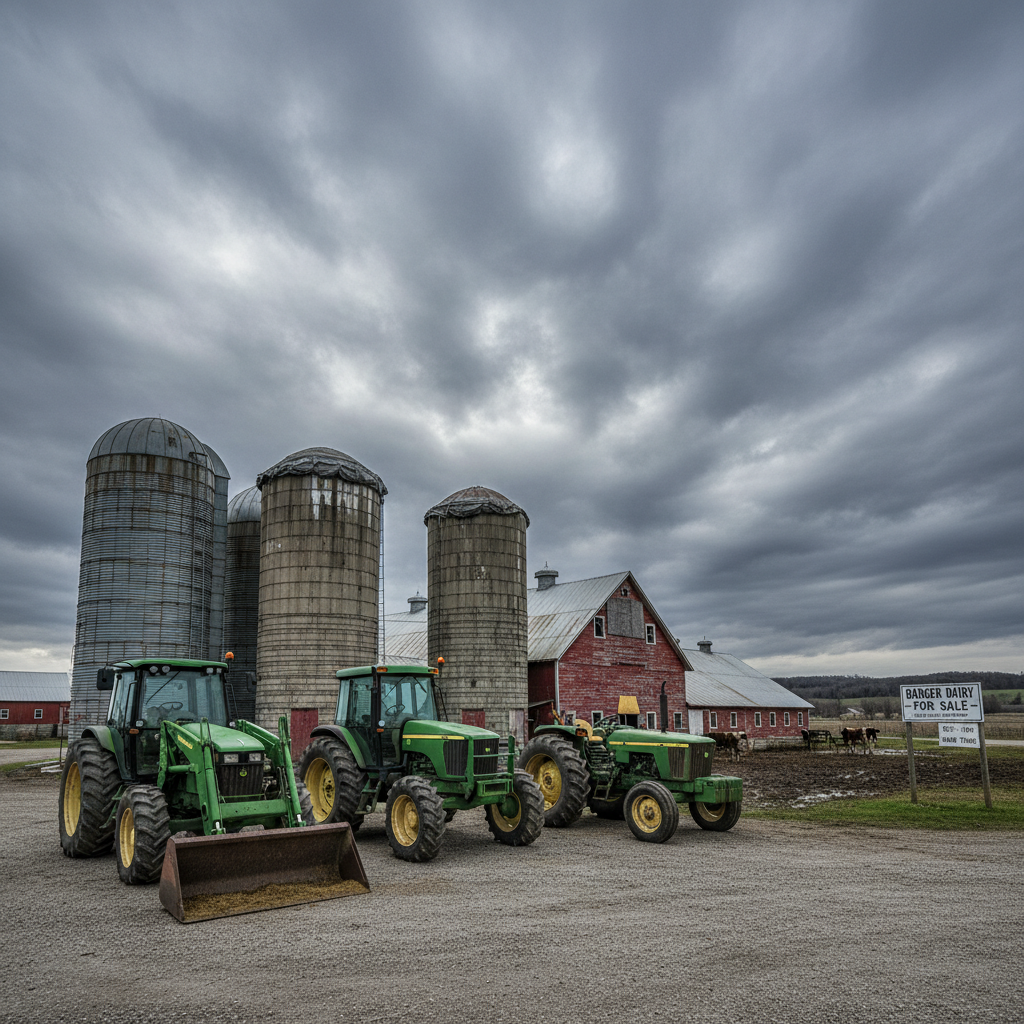
Wisconsin’s globally recognized dairy industry and its soy producers are among the hardest hit. Chinese import cuts have led to a reported 51% drop in U.S. agricultural exports in Q1 of 2025 compared to the same period in 2024.
2. Manufacturing Disruption
Wisconsin manufacturers producing machinery, vehicles, and electrical equipment are grappling with rising input costs and longer delays in sourcing Chinese components. These hurdles threaten production timelines and margins.
3. Tech & Energy Sectors Squeezed
Clean energy startups and defense contractors—many of which depend on rare earth elements—are now scrambling to find alternate sources, causing both operational and investment uncertainty.
How Wisconsin Investors Can Adapt
1. Spread Risk Across Sectors and Markets
Don’t over-concentrate in industries directly tied to China or vulnerable to import bottlenecks. Diversify holdings across U.S.-focused sectors like health care, logistics, and clean water technology.
2. Prioritize Localized Growth
Look for Wisconsin-based companies or national firms focusing on domestic supply chains and regional growth. These companies are more insulated from geopolitical friction.
3. Hedge with Real Assets
Commodities, farmland REITs, and TIPS (Treasury Inflation-Protected Securities) offer safe havens during trade instability.
4. Watch the Headlines, Not the Hype
Trade negotiations and tariff changes happen fast. Stay informed through credible sources to adjust your investment strategy in real time.
A Future Shaped by Uncertainty and Opportunity
While the renewed U.S.–China trade war may challenge Wisconsin’s industries, it also presents investors with a chance to rethink and rebalance. As global power dynamics shift, local economies like Wisconsin’s can benefit from reshoring efforts, federal investment in infrastructure, and increased demand for domestically sourced goods.
Wisconsin investors who stay diversified, informed, and strategically flexible can turn 2025’s uncertainty into long-term resilience.