- calendar_today August 13, 2026
The closely contested democratic primary in Wisconsin has shed light on simmering divides within the state’s Democratic Party, marking a pivotal moment for both local and statewide politics. David Crowley’s narrow victory over Francesca Hong by just 0.4 percentage points has raised pressing questions about the party’s future direction and electoral strategy in Wisconsin.
Establishment Wins, Grassroots Grows Strong
The wisconsin primary saw Crowley secure the nomination with the benefit of longstanding support from the party establishment and a well-financed campaign. In stark contrast, Hong’s candidacy was powered by passionate democratic voters and grassroots organizing, reflecting the growing influence of progressive ideas across the region. Despite lacking institutional resources, Hong’s near-upset highlighted dissatisfaction among a significant segment of the party base.
Progressive Candidate Spurs Discussion
Francesca Hong’s bid as a progressive candidate resonated with a wide cross-section of Wisconsin Democrats, including those concerned with political authenticity and meaningful policy change. Many supporters viewed her platform as a refreshing departure from politics as usual, leading to a surprisingly broad electoral coalition that united a variety of communities and even attracted some bipartisan respect.
Calls for Genuine Voter Engagement
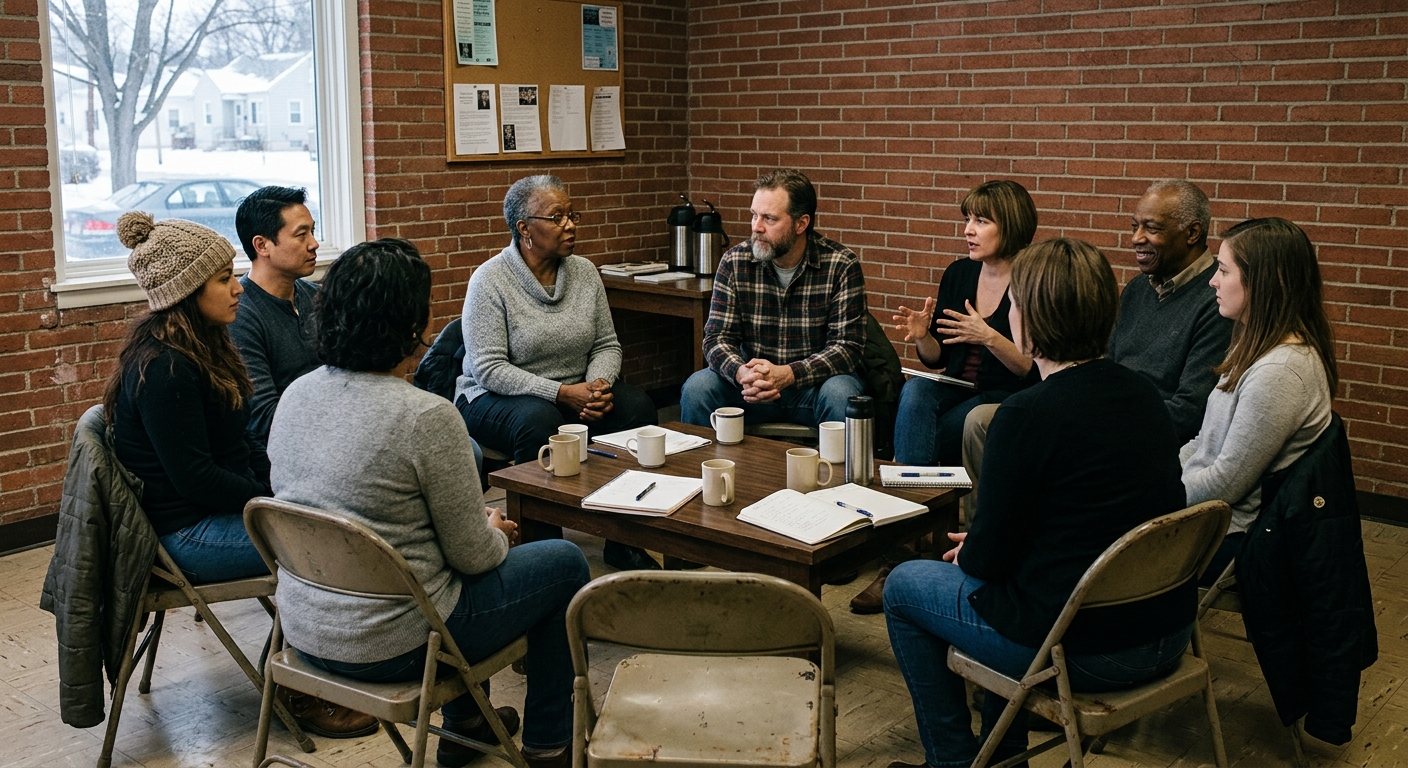
Community advocates like Ankita Bharadwaj have expressed that Black, Asian, queer, Muslim, and young Wisconsinites increasingly feel sidelined by party leadership. According to Bharadwaj, repeated election cycles have left many voters perceiving themselves as mere pawns rather than partners, prompting calls for more authentic voter engagement and less top-down management. This sentiment has sparked debate throughout local towns, cities, and organizations invested in Wisconsin’s political future.
Political Disconnect and Accountability
The close result of the democratic primary demonstrates a deep political disconnect between voters eager for change and a party apparatus that, critics say, sometimes resists internal reform. Stakeholders warn that continuing to rely on fear-based appeals and established hierarchies could harm the democratic party statewide, potentially alienating crucial voting blocs in future elections. Democratic leaders in Wisconsin now face mounting pressure to listen to grassroots concerns and prioritize inclusion.
The Road Ahead for the Democratic Party
The aftermath of this year’s Wisconsin primary has underscored the urgency of fostering unity within a broad and diverse base. Local activists, civic organizations, and elected officials have begun calls for the democratic party to embrace genuine dialogue. There is a growing sense that the road to electoral success passes through coalition building and reconciling differences across the spectrum. In an era where political authenticity carries increased value, the party’s approach over the next electoral cycle may determine its long-term viability with Wisconsin voters.
Implications for 2026 and Beyond
For communities throughout Wisconsin, this democratic primary serves as a wake-up call. If the Democratic Party hopes to maintain its relevance and effectiveness, experts and advocates agree that the path forward must involve less institutional control and more meaningful grassroots organizing. Lessons learned from this cycle are already shaping campaign strategies and local discussions. As the state looks ahead to the 2026 general election, how the party responds now will likely set the tone for years to come, ensuring that the needs of democratic voters remain front and center in the evolving political landscape.