- calendar_today July 11, 2026
The National Federation of Independent Business (NFIB) is intensifying its push for right to repair initiatives in Wisconsin after a landmark Federal Trade Commission settlement with equipment giant John Deere. This move is expected to significantly impact farmers, small business owners, and independent repair shops in the region by opening broader access to repair tools and vital repair data access previously restricted by manufacturers.
John Deere Settlement Marks Turning Point
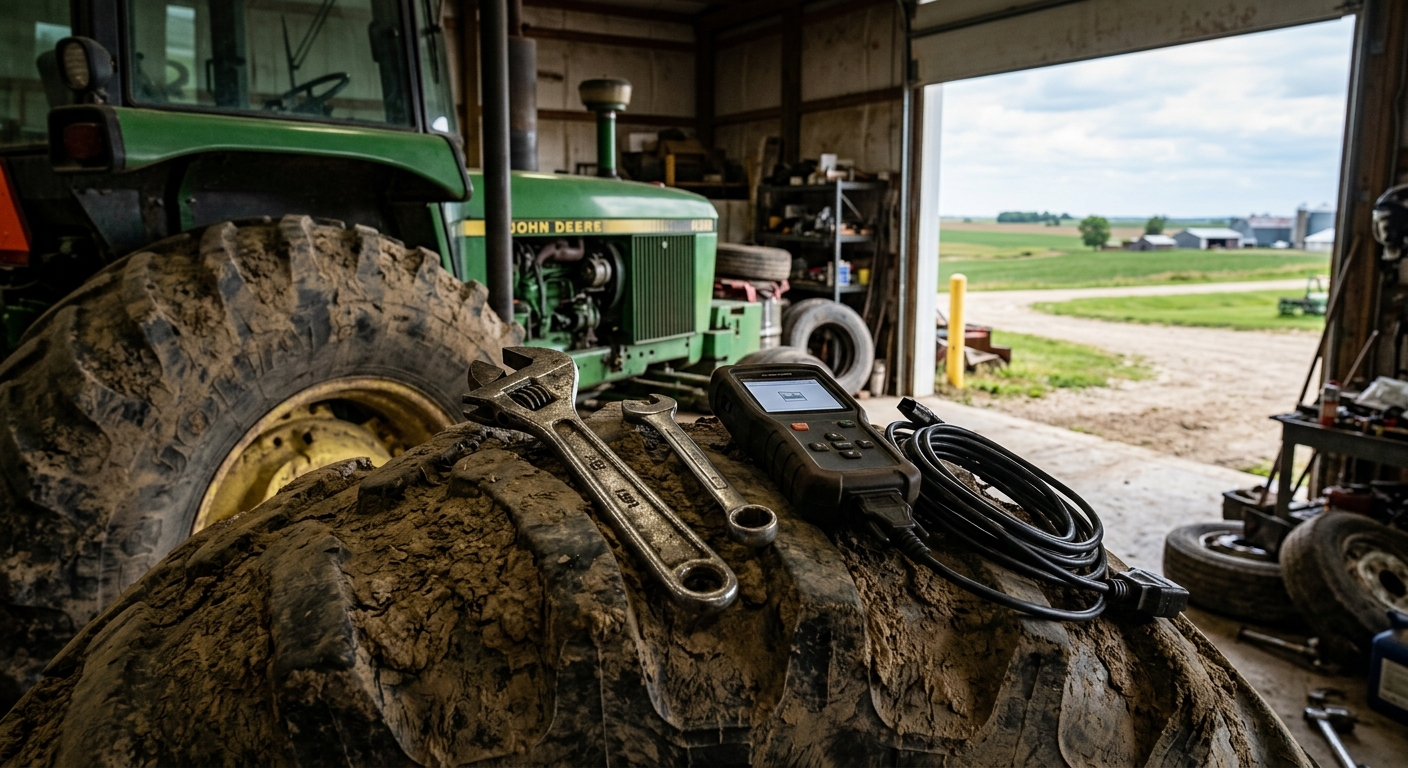
The recent john deere settlement has been described as a pivotal development for Wisconsin’s rural economy. By requiring John Deere to make proprietary tools and software available, the agreement clears a major obstacle for small business repair operations and local farmers reliant on timely tractor and equipment fixes. NFIB asserts the deal will foster repair competition, reduce equipment downtime, and lower overall repair costs.
Small Businesses and Rural Communities Set to Benefit
For many in Wisconsin, especially those working in agriculture and related small businesses, reliable and affordable repair services are critical. The ability of independent repair shops to obtain repair data access is expected to strengthen local economies and enhance service for consumers. The NFIB notes that right to repair legislation represents a crucial step in ensuring small business repair operations remain viable and competitive, supporting Wisconsin’s network of rural entrepreneurs.
NFIB Advocates for Expanded Repair Rights
Building on the momentum of the FTC ruling, NFIB is calling for lawmakers to implement broader right to repair legislation that covers not only agricultural equipment but also the automotive and electronics sectors. The proposed Right to Equitable and Professional Auto Industry Repair (REPAIR) Act is one such measure. If passed, this act would mandate auto manufacturers to provide independent repair shops with essential maintenance and repair information, leveling the playing field against dealership service centers.
Addressing Repair Market Barriers
Currently, repair market barriers and monopolistic practices by manufacturers drive up costs and limit options for small businesses and consumers alike. The NFIB argues that dismantling these obstacles with effective auto repair rights will lead to broad repair cost reduction and improved service quality across Wisconsin. The organization has identified repair advocacy as one of its top policy priorities heading toward 2026, actively engaging state and federal officials to advance new standards.
Repair Rights as an Economic Issue
Supporters of right to repair say increased access to parts and tools for independent repair shops is expected to inject new energy into Wisconsin’s competitive repair sector. More choices could directly translate to reduced costs for farmers, drivers, and consumers, who have long been burdened by limited service options and high fees. As right to repair legislation continues to gain traction, Wisconsin policymakers and business groups are watching closely, recognizing its potential to boost local jobs and keep essential equipment running smoothly.
Looking to the Future of Repair Advocacy
The NFIB’s continued leadership in repair advocacy is credited with keeping the right to repair issue on the legislative agenda both in Wisconsin and beyond. Their efforts focus not only on manufacturers like John Deere but also on broader sectors where independent access to repair resources remains restricted. As the debate over repair competition intensifies, local stakeholders remain hopeful that new laws will further secure the independence and flexibility of Wisconsin’s small business repair industry in the years ahead.