- calendar_today August 26, 2025
After months of developer previews and limited beta testing Google has officially started deploying Android 16. Pixel devices received the update first as expected while other Android phones will get it in the upcoming weeks or probably months.
Pixel users can now expect to receive the over-the-air (OTA) update today. Google provides system images and manual update files on its developer site for users who prefer not to wait. Only eager users need to rush because there’s no urgency for others. The update introduces no major changes immediately.
Android 16 launched without fanfare but it still offers new features that stand out while hinting at bigger updates for later this year.
Notification Shade, Live Updates, and Security Enhancements
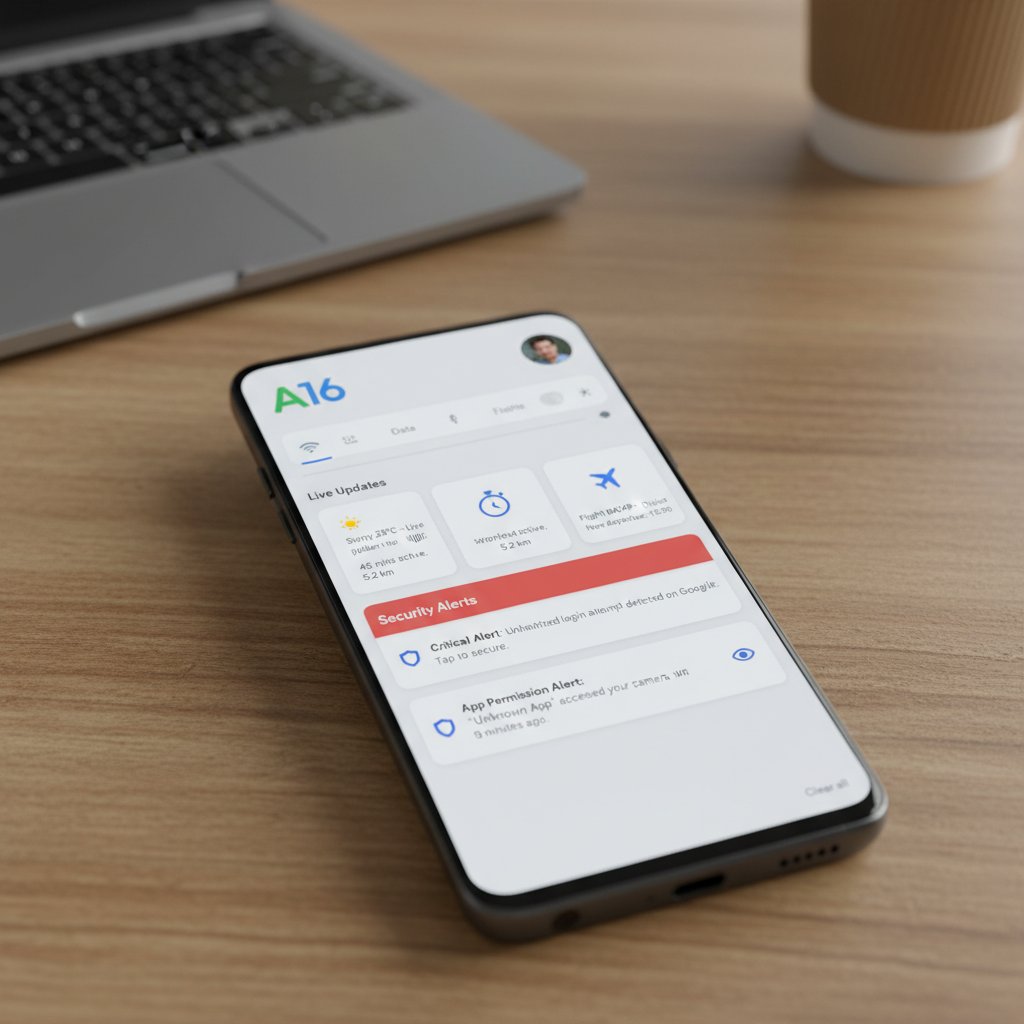
The most visible update appears within the notification shade interface. The first appearance of bundled notifications came with Android 7.0 Nougat from Google. The Android 16 update mandates notification bundling as a required feature. The Android system now combines several alerts from one application into an expandable card that simplifies your display space. The update is understated yet appreciated.
Another addition is live update notifications. A handful of rideshare and delivery applications now provide users with real-time updates accessible through tiny status bar icons. Users who tap the notifications will see a condensed window displaying real-time progress updates. Google is teaming up with Samsung and OnePlus to implement this feature in the Now Bar and Live Alerts respectively.
Security also gets a boost. The Advanced Protection feature now operates across all devices which run Android 16. The activation of this feature prevents your phone from connecting to 2G networks while blocking access to non-secure websites and USB data transfers. This initiative represents Google’s expanding commitment to protect user privacy and ensure device security.
The new generative AI-powered emoji feature offers customization fun for users who enjoy personalization. The Pixel Studio app helps users build custom emojis via Emoji Kitchen. This playful feature shows Google’s expanding involvement in generative AI experiences.
Android 16 implements substantial updates that will benefit developers. One key improvement is automatic large-screen support. Android 16 users can expect apps to scale automatically to fill foldables and tablets more efficiently through targeting API level 36. Developers who create apps with large displays in mind will see improved app aesthetics on bigger screens through this change.
Camera enhancements have been integrated directly into the system. Android 16 brings hybrid auto-exposure support together with motion photo capabilities and night mode detection among other features. Users can now capture HDR screenshots although not all apps will support this feature. Google has established stricter regulations for background processes to improve battery efficiency even if certain apps might experience impacts.
Pixel Drop Features: VIPs and More
Google has announced the release of a new Pixel Drop feature together with Android 16. The update includes several Pixel-exclusive features even though it lacks an abundance of new features. The standout feature in Pixel Drop is called Pixel VIPs. This innovation extends the traditional concept of favorite contacts. A special widget now displays recent WhatsApp and Messages interactions, shared location details, birthdays, and other information for your VIP contacts. Google Pixel users can disable their Do Not Disturb mode to receive calls from important contacts.
The app now offers better hearing aid integration alongside instant search inside the magnifier tool. The feature Expressive Captions which was initially exclusive to the U.S. market has expanded to include the UK, Canada and Australia.
Only Pixel phones support these features which need Android 16 for operation.
Today does not mark the release of every feature included in Android 16. The most anticipated updates from Google will be released at some point later in 2025.
Take Material 3 Expressive, for instance. The design language that Google previewed last month has been scheduled to launch within this year. Google refuses to establish a precise schedule but has urged developers to start readying their applications at this time. The redesigned interface brings a vibrant and enhanced expression to Android’s user experience.
Android now introduces its much-anticipated desktop mode feature. This new functionality results from a partnership between the developers and Samsung and it extends Samsung DeX system capabilities. With this mode tablets and future phones will project windowed desktop interfaces to external displays. The Pixel 9 Pro Fold foldable will not enable on-device windowing but will support the windowed desktop interface through external displays only.
OEM support is not guaranteed. Google Pixel devices will fully support windowing capabilities whereas other Android 16 devices will only receive basic screen mirroring based on manufacturer decisions.
Android 16 brings a crucial change that focuses on release timing rather than new features. Android updates followed the fall launches of new Pixel hardware in earlier years. That’s no longer the case. Google has changed its update schedule to deliver major Android updates in late spring and to release smaller API-focused updates by year-end.
Developers designed this adjustment with the purpose of establishing a more adaptable release timeline. Though the debut of Android 16 under the new release timeline will seem less noisy than previous launches it establishes groundwork for future developments.
Android 16 may seem gradual but promises future improvements like desktop mode, an updated design system and AI enhancements for later 2025. This development merits your attention and observation.