- calendar_today August 7, 2025
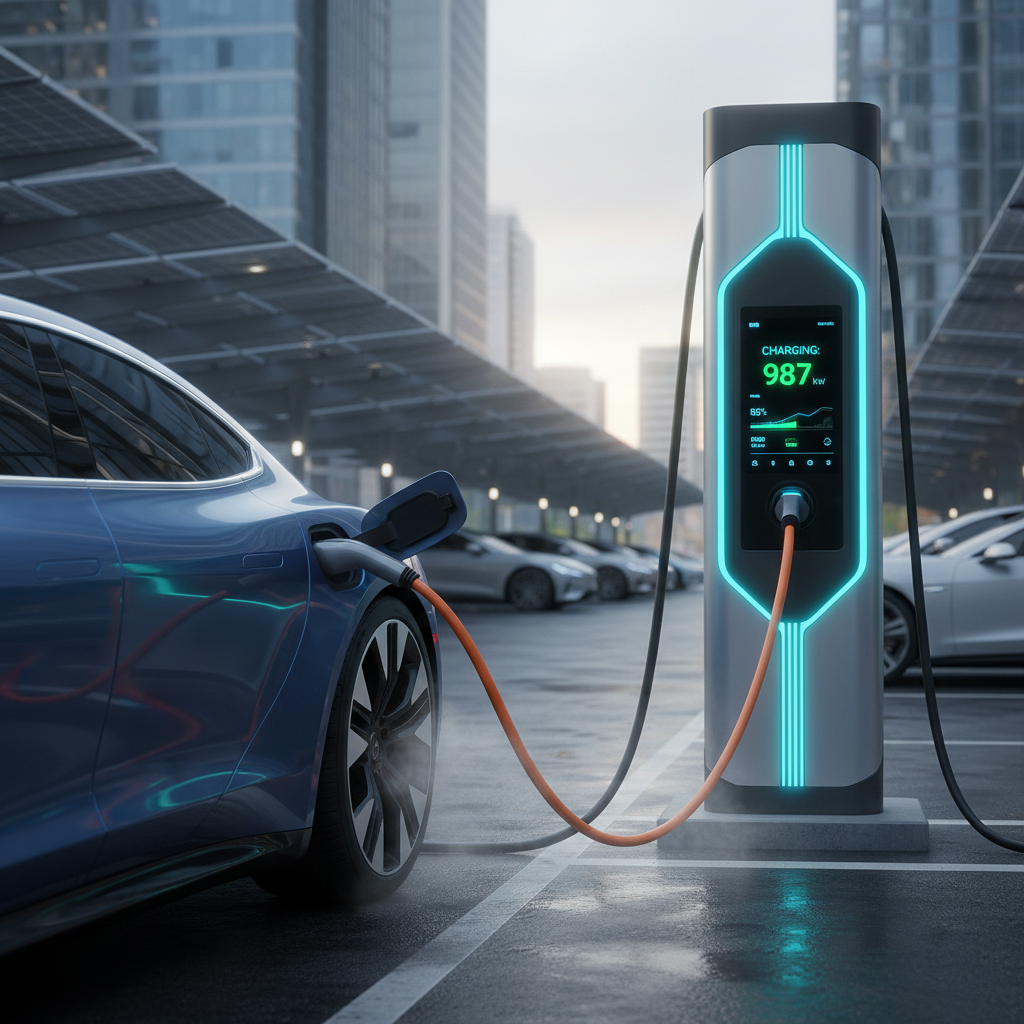
The unveiling of BYD’s 1,000 kW charging technology has generated significant interest due to its potential to dramatically improve electric vehicle charging speed. According to the company its advanced “super e-platform” with 10C charging capabilities delivers 249 miles (400 km) of range within five minutes. To evaluate how effective this technology performs in real-world applications requires comprehension of the connection between kilowatts and kilometers. The analysis will review the technical specifications and explore which factors affect charging efficiency.
BYD’s primary innovation consists of its 10C charging capability together with its 1,000 kW DC charger technology. The integration of these technologies enables quick energy delivery to the battery while drastically cutting down battery charging duration. BYD’s 1,000 kW system marks a significant technological leap beyond industry benchmarks like Tesla’s 250 kW Superchargers and Electrify America’s 350 kW chargers. BYD chairperson Wang Chuanfu announced their objective to match EV charging speed with that of gasoline car refueling.
Understanding the Technical Specifications
10C Charging Rate: The charge rate of a battery determines how quickly it can be recharged while “C” stands for the battery’s full capacity. When the battery reaches a 10C rate, it can achieve full charge status in six minutes which equals one-tenth of an hour under perfect conditions.
1,000 kW DC Charger: This powerful charging system transfers a large amount of energy to the battery quickly enabling fast range restoration.
Factors Affecting Charging Efficiency
Battery Temperature: The best charging efficiency happens when the battery operates within its designated temperature range. The battery’s charging process can become slower at extreme temperatures and may result in battery damage.
Battery State of Charge (SOC): The battery charging speed slows down as it becomes more charged. When the battery has a lower State of Charge (SOC) the initial charging phase proceeds at the fastest rate.
Charging Infrastructure: The promised charging speeds depend heavily on the quality and stability of the charging infrastructure.
Range Estimation Standards: BYD’s 249-mile range rating comes from the CLTC standard which generally offers higher results than the US EPA standard.
Real-World Implications
The facility to extend battery range by 249 miles within five minutes could greatly influence consumer decisions to purchase electric vehicles. It addresses a major consumer concern: range anxiety and lengthy charging times. The effectiveness of real-world charging depends on various factors previously discussed.
Analyzing Kilowatts to Kilometers
Energy Transfer: A 1,000 kW charger delivers a large amount of energy to the battery within a brief timeframe. The energy delivered by the charger transforms into usable distance which can be quantified in either kilometers or miles.
Efficiency Losses: Heat and additional factors cause energy to dissipate during the charging process. The real-world range increase often falls short of theoretical predictions.
Vehicle Efficiency: The distance a vehicle can travel per kilowatt-hour (km/kWh) affects how much range gets added during a charging session. Vehicles with improved efficiency achieve greater distances with their existing energy reserves.
The 1,000 kW charging capability developed by BYD marks a substantial improvement in electric vehicle charging efficiency. Accelerated adoption of electric vehicles could occur if drastically reduced charging times become feasible, although real-world factors may affect the actual range gained.