- calendar_today August 10, 2025
In 2025, the United States implemented major tariff measures, including a 104% tariff on Chinese imports and a 25% tariff on foreign-made automobiles. These tariffs are reverberating through global markets and affecting key industries in Wisconsin, such as manufacturing, agriculture, and technology.
The immediate market reaction to these tariffs was swift and severe. Wall Street experienced a sharp decline, with the Dow Jones losing over 2,200 points and the S&P 500 dropping nearly 10%. Investors in Wisconsin—where manufacturing and agricultural sectors are closely tied to international trade—are now facing volatility and uncertainty. In this article, we’ll explore how the tariffs are impacting Wisconsin’s economy and provide actionable insights for investors looking to adapt to this rapidly changing environment.
The Economic Impact of Tariffs on Wisconsin’s Key Sectors
Wisconsin’s economy is diverse, with significant contributions from manufacturing, agriculture, and technology. These industries are being affected in different ways by the tariffs, creating both challenges and opportunities for local investors.
Manufacturing and Automotive Industry
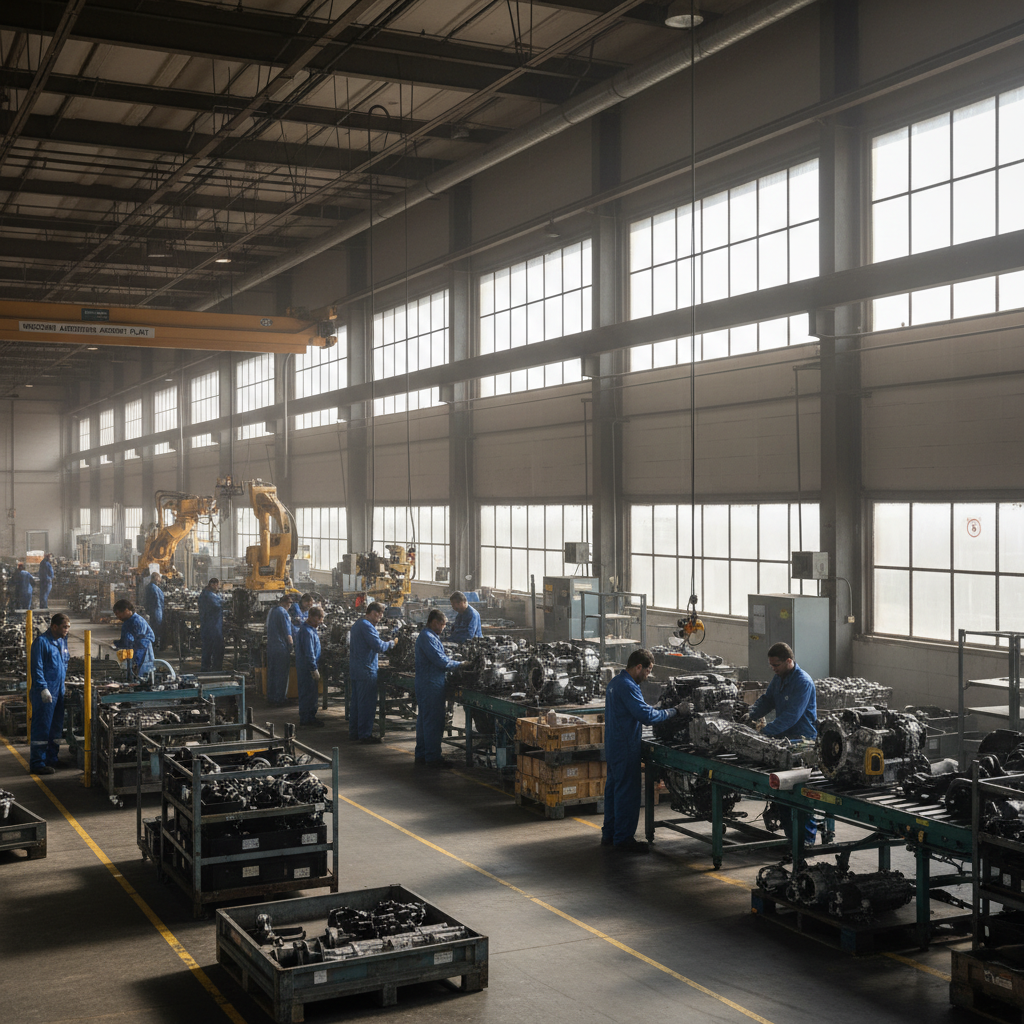
Manufacturing plays a central role in Wisconsin’s economy, with a particular emphasis on industries like machinery production, paper products, and automotive parts. The 25% tariff on foreign automobile imports is especially significant for Wisconsin, which houses numerous automotive parts suppliers. Companies like Harley-Davidson, one of Wisconsin’s flagship manufacturers, are facing rising costs for imported materials and components.
The 104% tariff on Chinese goods is also disrupting Wisconsin’s manufacturing sector, particularly for companies that rely on Chinese-made parts for production. These companies are now evaluating whether to continue relying on overseas suppliers or to move production back to the U.S. (reshoring). While reshoring could benefit Wisconsin manufacturing in the long term, it may lead to increased production costs in the short run.
For Wisconsin investors in the manufacturing sector, the key challenge is managing the increased costs and potential delays caused by global supply chain disruptions. It may be wise to monitor companies that are leading the way in reshoring efforts or focusing on cost-effective production in the U.S.
Agriculture and Raw Materials
Wisconsin is also a major agricultural producer, particularly in dairy, corn, soybeans, and livestock. The imposition of a 34% tariff on U.S. agricultural products by China has had a significant impact on the state’s farmers. While Wisconsin doesn’t rely as heavily on China as other states, the broader agricultural industry has been hurt by reduced demand and lower prices for key exports like soybeans, pork, and dairy products.
According to the U.S. Department of Agriculture, agricultural exports are projected to be $170.5 billion in FY2025, which is slightly higher than the previous year but still below pre-tariff expectations. For Wisconsin farmers, this means lower revenue and more uncertainty as they attempt to navigate the challenges posed by reduced exports and fluctuating commodity prices.
Wisconsin investors in the agricultural sector should be cautious and pay close attention to global demand shifts. However, opportunities may still exist in domestic agricultural investments, especially those focused on sustainable farming practices or alternative crops that could benefit from market changes.
Technology and Innovation
Wisconsin’s tech sector, while smaller than other regions, is growing rapidly. The state is home to a number of companies focused on software development, biotechnology, and clean energy innovation. However, the 25% tariff on semiconductor imports is impacting Wisconsin’s technology sector, particularly for companies that depend on chips and electronic components imported from overseas.
Local tech companies, like those involved in clean energy and advanced manufacturing technologies, may face higher production costs, which could impact profitability in the short term. For Wisconsin tech investors, now is the time to monitor how local firms are adjusting to these cost increases and whether they are pivoting to more resilient or domestic sources for their components.
What Wisconsin Investors Should Do
In light of the tariff-induced volatility affecting key sectors in Wisconsin, investors should consider several strategies to protect their portfolios and capitalize on emerging opportunities.
- Diversify Portfolios Across Resilient Sectors
Given the challenges facing manufacturing and agriculture, Wisconsin investors should consider diversifying their portfolios into sectors that are less vulnerable to global trade disruptions, such as healthcare, renewable energy, and infrastructure. These sectors are likely to remain more stable during periods of economic turbulence. - Invest in Safe-Haven Assets
As market volatility increases, it’s wise to allocate a portion of the portfolio to safe-haven assets such as gold, real estate investment trusts (REITs), and inflation-protected securities. These investments tend to perform well during uncertain economic times, making them ideal for protecting wealth. - Focus on Reshoring and Domestic Manufacturing
The trade tensions could lead to more reshoring of production back to the U.S., which could benefit Wisconsin’s manufacturing sector in the long run. Investors should focus on companies involved in reshoring initiatives, particularly in automotive manufacturing, machinery, and clean energy sectors, as these industries are likely to benefit from increased domestic production. - Monitor Agricultural and Commodity Markets
With the uncertainty surrounding agricultural exports, Wisconsin investors in farmland and agriculture-related stocks should remain cautious. While agricultural prices may remain volatile, those investing in sustainable or alternative agricultural practices could find new opportunities as global demand for certain crops shifts.
Turning Challenges Into Opportunities
While the 2025 tariffs are causing short-term disruption in Wisconsin’s economy, they also present long-term opportunities for investors. As reshoring efforts increase and manufacturing becomes more domestically focused, Wisconsin’s economy could benefit from the return of production to the U.S. Additionally, the growing emphasis on clean energy and technology innovation presents exciting prospects for forward-looking investors.
For now, Wisconsin investors must remain flexible and strategic. By diversifying portfolios, staying informed on key sectors, and focusing on emerging opportunities in reshoring and sustainable technologies, investors can weather the current storm and position themselves for growth in the future.