- calendar_today August 24, 2025
Cotton might not be at the front of one’s mind when considering Wisconsin’s economy in 2025, but newfound changes in global cotton production are making a significant impact on the state. As cotton production slows across dominant producing nations and regions of the United States, companies in Wisconsin, particularly in textiles, retail, and manufacturing, are beginning to take a hit.
The slowdown in cotton production is not merely an agricultural concern. It’s sending shockwaves through supply chains, prices, and trade policies. For a state like Wisconsin that relies largely on imports for raw materials, the spillover could result in price increases, worker anxiety, and slower growth in critical industries.
Cotton: Not Produced in Wisconsin, But Still Counts
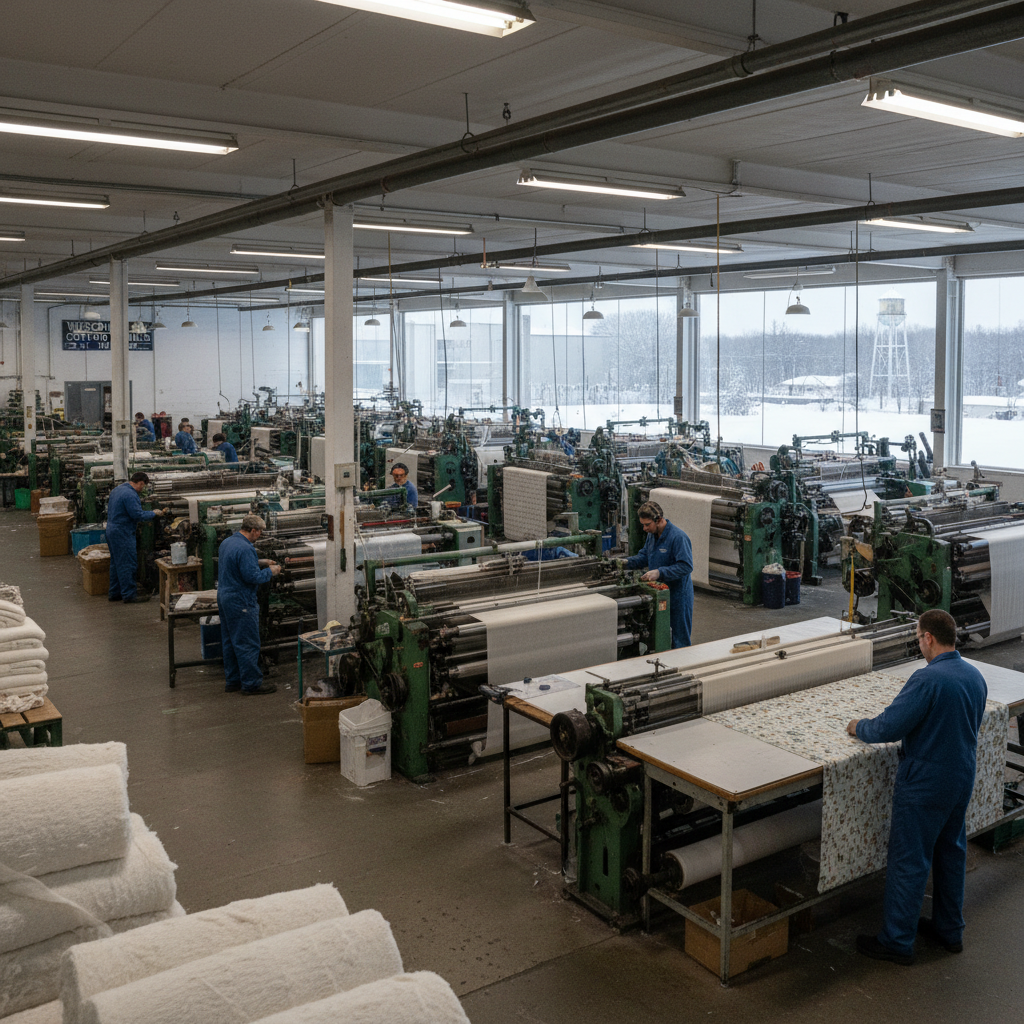
Though Wisconsin doesn’t grow cotton, numerous businesses here are dependent on it. Apparel makers, textile processors, furniture producers, and retailers all utilize cotton-derived products in their output. A price increase or shortage in cotton impacts everything from the price of t-shirts to the cost of home decor.
With America experiencing a decline of more than 15% in cotton production over last year, prices are increasing. Droughts and extreme weather, as well as planting shortages in southern states such as Texas, are to be blamed. These problems may be thousands of miles away, but their effects are being felt here in the Midwest.
Local Businesses Are Feeling the Strain
Numerous Wisconsin-based businesses import cotton fabric or cotton goods for retail and processing. Smaller producers who lack long-term agreements or bulk purchasing power are particularly at risk. For them, even a slight increase in raw material prices can be a huge difference in profitability.
Fabric wholesaler based in Madison, Jack Harmon Textiles, recently experienced a 20% price hike in cotton from their regular suppliers.
“We’re now forced to either raise prices or cut costs somewhere else. That’s not easy for a local business,” says owner Lisa Harmon.
This situation also affects local clothing brands, bedding companies, and even car seat manufacturers who use cotton blends in their products.
The Trade Angle: GSP+ Under Scrutiny
To the existing pressure is added the uncertainty concerning the Generalized System of Preferences Plus (GSP+), an American trade program that provides duty-free entry from a number of developing nations. Much of Wisconsin’s cotton enters indirectly via suppliers in South Asia, including Pakistan and Bangladesh, which both face 2025 review for their GSP+ status.
If the GSP+ is taken away from these nations, Wisconsin companies will need to pay additional tariffs to import cotton products. That would drive prices even higher and stretch already thin budgets.
Economic Experts Weigh In
Dr. Alan Meyer, a University of Wisconsin economist, says:
“The cotton issue is a great example of how global agriculture and trade policy affect our state. When supplies drop or trade rules change, it can lead to serious price shocks. Even if we’re not growing cotton here, our economy feels the hit.”
He adds that supply chain flexibility is now essential. Businesses should prepare by diversifying suppliers or exploring synthetic material alternatives.
Industries Most at Risk in Wisconsin
A number of sectors are particularly vulnerable:
- Textile & Apparel: Small and medium-sized labels will bear increased costs or smaller margins.
- Furniture: Cotton fabric-based upholstery and home furnishings will cost more.
- Retail: Customers will begin to notice higher prices on fundamental cotton items.
Even the tourism and hospitality industries could experience indirect effects, as increasing product expenses compel hotels and resorts to scale back or raise prices.
What Can Wisconsin Do?
Though the state cannot alter world cotton production, it can get ready. These are some measures economists suggest:
- Foster indigenous innovation – Research grants for materials and alternatives synthesized can decrease dependence on cotton.
- Assist small enterprises in adjusting – Economic relief, trade advisory services, and tax concessions can enable manufacturers to cope with increased costs.
- Promote trade stability – Wisconsin legislators can promote balanced and consistent trade deals to avoid the state being surprised by radical shifts.
Looking Ahead
The cotton shortage and uncertainty regarding GSP+ are a reminder that local economies such as Wisconsin’s are also highly linked with global developments. While supply chains constrict and trade regulations change, Wisconsin companies need to remain vigilant and adaptable.
The future road may be fraught with obstacles, but by acting early and being wise in planning, Wisconsin’s economy can remain robust, even during volatile cotton markets.