- calendar_today August 22, 2025
Lululemon’s negative sales predictions raise red flags for Wisconsin’s retail economy. Find out how local businesses are reacting to the brand’s poor performance and what this implies for Wisconsin’s retail industry.
Lululemon, the apparel maker with a worldwide following for its high-quality yoga pants and leggings, made a soft sales projection recently, and it sent shivers down the retail economy of Wisconsin. Since the brand is under pressure with increased tariffs, volatile consumer demand, and supply chain disruptions, local retailers are keeping an eye on how this pressure will be translated into their sales and business plans.
One of the bigger athleisure market players, Lululemon’s fortunes set the tone for retail. Wisconsin retailers that sell Lululemon or compete in Lululemon’s markets already are shifting their plans to address the uncertainty. That is how the retail economy of Wisconsin is reacting to Lululemon’s bleak sales projection and what it can signal for the retail industry in Wisconsin in the coming years.
Lululemon’s Sales Disappointment: Most Important Drivers of the Negative Forecast
Lululemon’s negative sales forecast is being driven by some drivers, including:
Higher Tariffs and Expenses
One of the largest problems Lululemon might have with its bottom line is increasing tariff prices on imports from abroad. Lululemon sources a great deal of its product from nations such as China, and increased tariffs on these imports are making it increasingly expensive to produce. As a result, Lululemon could be forced to pass these expenses on to the customer, increasing the price and potentially reducing demand for its products.
Shifting Consumer Demand
The COVID-19 pandemic brought with it a rise in athleisure wear demand, with individuals turning to comfort, stay-at-home clothing. But now that the world is moving past the pandemic, consumerism is shifting. More people are turning toward in-office life and socializing, leading to a decline in demand for casual and athletic clothing.
Supply Chain Challenges
Like most retailers, Lululemon has also experienced significant supply chain disruptions. Manufacturing and shipping have been slowed, affecting product supply, and may continue to affect the capacity of the company to supply customers.
Impact on Wisconsin Retailers
For Wisconsin shoppers, Lululemon’s dismal sales projection is an indication that Wisconsin’s retail economy could be in trouble. Local retailers count significantly on the brand’s offerings to pump up volumes, and poor performance by Lululemon would have the following impacts:
Higher Prices and Lower Demand
While Lululemon grapples with higher production expenses because of the imposition of tariffs, Wisconsin retailers risk having to increase prices for products from the brand. Increased prices will result in lesser demand as customers can turn to substitute products. Wisconsin retailers fear that products from Lululemon, when priced higher, will prompt consumers to seek substitutes from rival brands to meet their sports apparel demands.
Inventory and Supply Chain Issues
Because Lululemon experiences supply chain interruptions, Wisconsin retailers are likely to experience the delay in getting supplies. This can lead to gaps in inventory, and this will hinder retailers from fulfilling consumer demand. Retailers will be compelled to maneuver around these interruptions efficiently to avoid losses in sales opportunities and consumer satisfaction.
Changing Consumer Habits
As the revenues of Lululemon fall with changing consumer fashions, Wisconsin retailers will need to be observant and follow changing trends in the athleisure market. Some consumers who hitherto were attracted to the high-end offerings of Lululemon are now perhaps seeking lower-priced or multi-functional alternatives. Wisconsin retailers will need to adapt their product mix and advertising campaigns in response to these new consumer fashions.
Wisconsin Retail Response: Tactics for Responding to Challenges
Wisconsin retailers are responding to Lululemon’s below-projected sales estimate and the general retail woes by using a range of different strategies to remain competitive:
- Diversifying Product Offerings
Several Wisconsin retailers are also broadening their product offering in hopes of lessening their dependence on Lululemon products. By adding other athleisure labels at lower price points or by adding other athletic wear into their inventory, retailers can balance the effect of Lululemon’s woes and attract a broader customer base.
- Marketing Local and Alternative Brands
While consumers seek alternatives to luxury brands such as Lululemon, Wisconsin retailers are calling out for local and lesser-known brands that could provide similar styles at better prices. Promoting locally made or specialty items might attract cost-conscious consumers and keep local businesses alive.
- Changing Marketing and Pricing Strategies
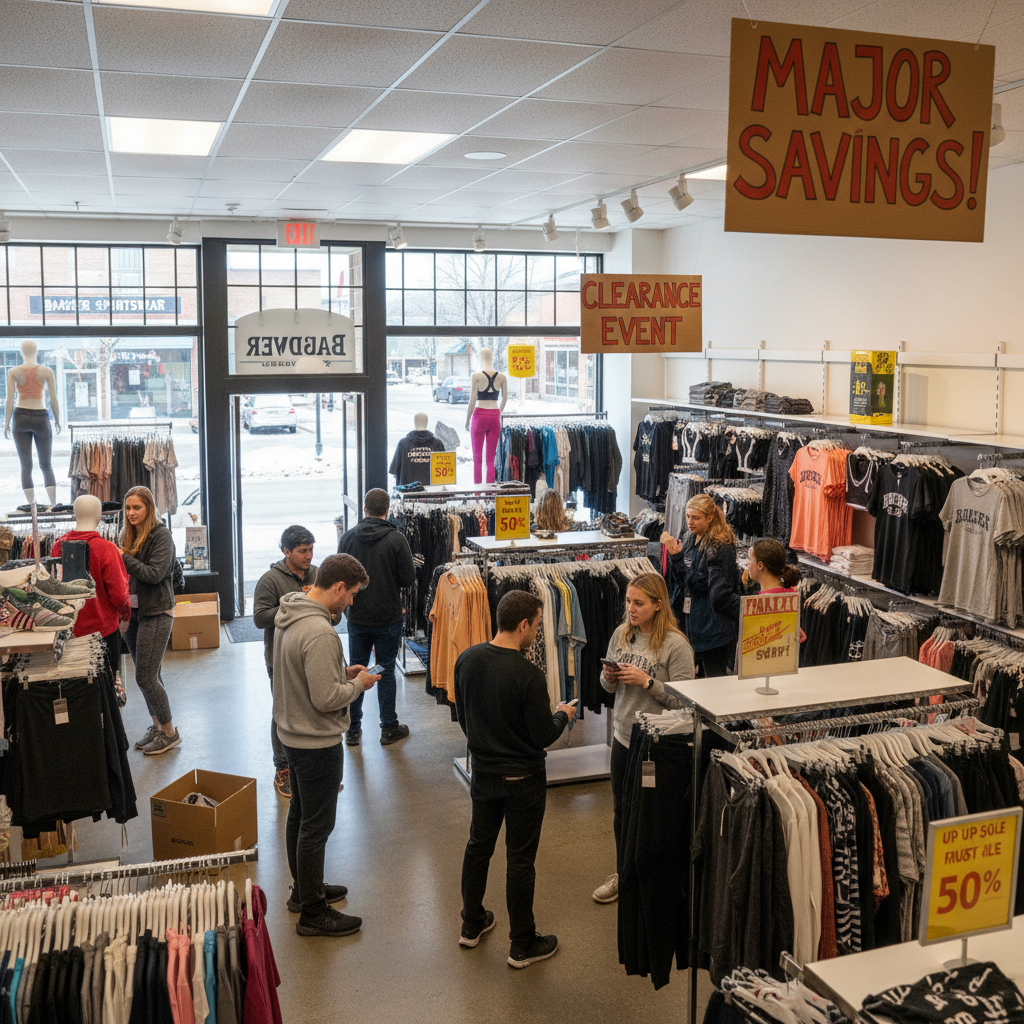
Wisconsin retailers are also changing their marketing strategies to stress quality and value over premium price. Offering sales, promotions, or rewards programs can hold back customers who would otherwise avoid the stores because of increased prices. Retailers are also implementing targeted shopping experiences in an attempt to create greater customer loyalty.
What the Future Holds for Wisconsin Retailers
Lululemon’s disappointing sales projection is a harbinger of greater difficulties within the retail sector, from increasing expenses to changing customer expectations to ongoing supply chain disruptions. For Wisconsin retailers, it is a warning to be ready to react and be nimble in a more chaotic world.
Though Lululemon’s woes will cast an initial shadow, they also bring a chance for Wisconsin retailers to increase product offerings, adopt local brands, and more fully address shifting customer needs. By emphasizing customer loyalty, shifts in advertising strategies, and an openness to change, Wisconsin’s retail economy can overcome the adversity and continue its development.
Conclusion
Lululemon’s bleak sales projection is sending shockwaves in the Wisconsin retail sector. With rising tariffs, changes in consumer behavior, and supply chain issues impacting the brand’s performance, Wisconsin retailers are rethinking their strategies. By diversifying product lines, substituting different brands, and realigning pricing strategies, Wisconsin retailers are gearing up for the future. Although the retail environment can be changing, the flexibility of Wisconsin and concern for the client will ensure long-term viability in the new marketplace.