- calendar_today August 19, 2025
Artificial intelligence continues to evolve, and OpenAI, one of the industry’s leaders, is making aggressive moves to expand its global reach. Led by its Chief Operating Officer (COO), OpenAI aims to create AI-powered solutions worldwide, impacting businesses, education systems, and labor markets across every region— including Wisconsin. As more and more industries leverage the application of AI, ranging from manufacturing to healthcare to agriculture, Wisconsin business leaders, educators, and policymakers closely monitor the possible effect OpenAI growth might have on the state’s economy and workforce.
Wisconsin’s AI-Driven Business Landscape
Historically recognized for its robust manufacturing and agricultural industries, Wisconsin is in the process of transformation with artificial intelligence infused into a variety of industries. Automation using artificial intelligence, predictive data analysis, and machine learning are making operations more efficient and streamlined, transforming business practices as they are carried out. The following industries are experiencing radical AI change:
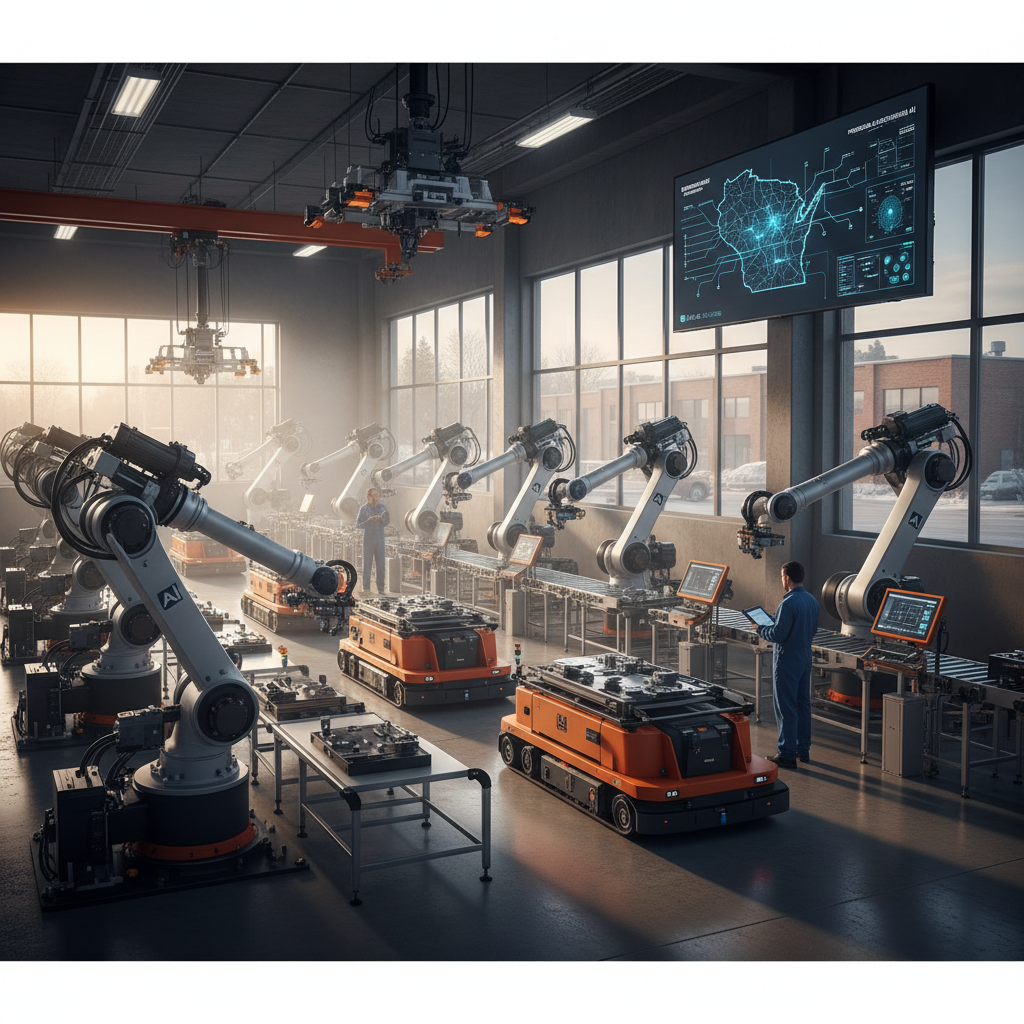
- Manufacturing: AI-driven automation and robotics enable factories to be more efficient and less likely to go offline. Machine learning-driven predictive maintenance enables manufacturers to anticipate and avoid equipment failure.
- Healthcare: AI is used to enhance diagnosis in medicine, drug discovery, and patient management. Hospitals and research facilities in Wisconsin are researching the application of AI to enhance efficiency and precision in treatment planning.
- Agriculture: AI-powered precision farming tools assist farmers with crop monitoring, soil analysis, and resource optimization, ensuring better yields while reducing environmental impact.
With OpenAI’s continued investment in advancing AI technologies, Wisconsin businesses must prepare to adapt to the changing landscape.
How OpenAI’s Expansion Could Affect Wisconsin
As OpenAI scales its operations worldwide, Wisconsin can expect several key impacts:
- More AI Tools for Business: OpenAI growth could mean enhanced AI business tools, making it easier for small- and medium-sized businesses (SMEs) to embrace AI in business operations. Wisconsin SMEs can be more benefited by automating, data-driven decision-making, and AI-backed customer relationship management tools.
- Workforce Generation and Development As A Result of AI: AI occupations are increasing, and this will require employees develop new skills in machine learning, data science, and AI creation. Wisconsin universities and technical schools might need to reform their coursework to require students to be prepared for the rising demand for workers in AI.
- Possible AI Collaborations and Investments: OpenAI global expansion can create new collaborations with Wisconsin institutions, businesses, and universities. Such collaborations can accelerate the adoption and growth of AI in the state.
Challenges and Considerations
While AI has numerous opportunities, its rapid development pace also has its drawbacks. Wisconsin policymakers and businesses need to contend with the following challenges:
- AI Ethics and Regulation Problems: AI deployment is creating issues of data privacy, bias, and transparency. As OpenAI grows, organizations using AI need to remain compliant with new regulations.
- Workforce Disruption: AI-driven automation may cause job displacement in traditional industries. Up-skilling and re-skilling programs will be required to enable workers to move to AI-driven occupations.
- Economic Competitiveness: Wisconsin must continue to compete with other states and territories that are investing in the research and development of AI. The state will be surpassed by others in the race for technological leadership unless invested in AI infrastructure.
Education and Workforce Development
The largest thing of concern for Wisconsin will be workforce development with skills to thrive in an AI economy. This includes:
- Promoting cooperation among OpenAI and Wisconsin’s colleges to develop AI-based programs.
- Increasing vocational and technical schools’ training programs to offer certifications related to AI.
- Offering incentives to organizations that invest in AI workforce training programs.
Wisconsin can become an AI innovation and adoption leader tomorrow if it invests in workforce training and education today.
Looking Ahead
While OpenAI COO leads the company’s expansion worldwide, Wisconsin must consider how AI-driven change will impact its economy, workforce, and businesses. While AI promises bright hopes for automation, productivity, and growth, it comes with the necessity of strategic planning to end job disruption and regulatory challenges.
By taking a proactive stance in AI adoption, employee training, and industry cooperation, Wisconsin can ride the global expansion of OpenAI to its advantage, making itself a visionary state prepared for the AI age.