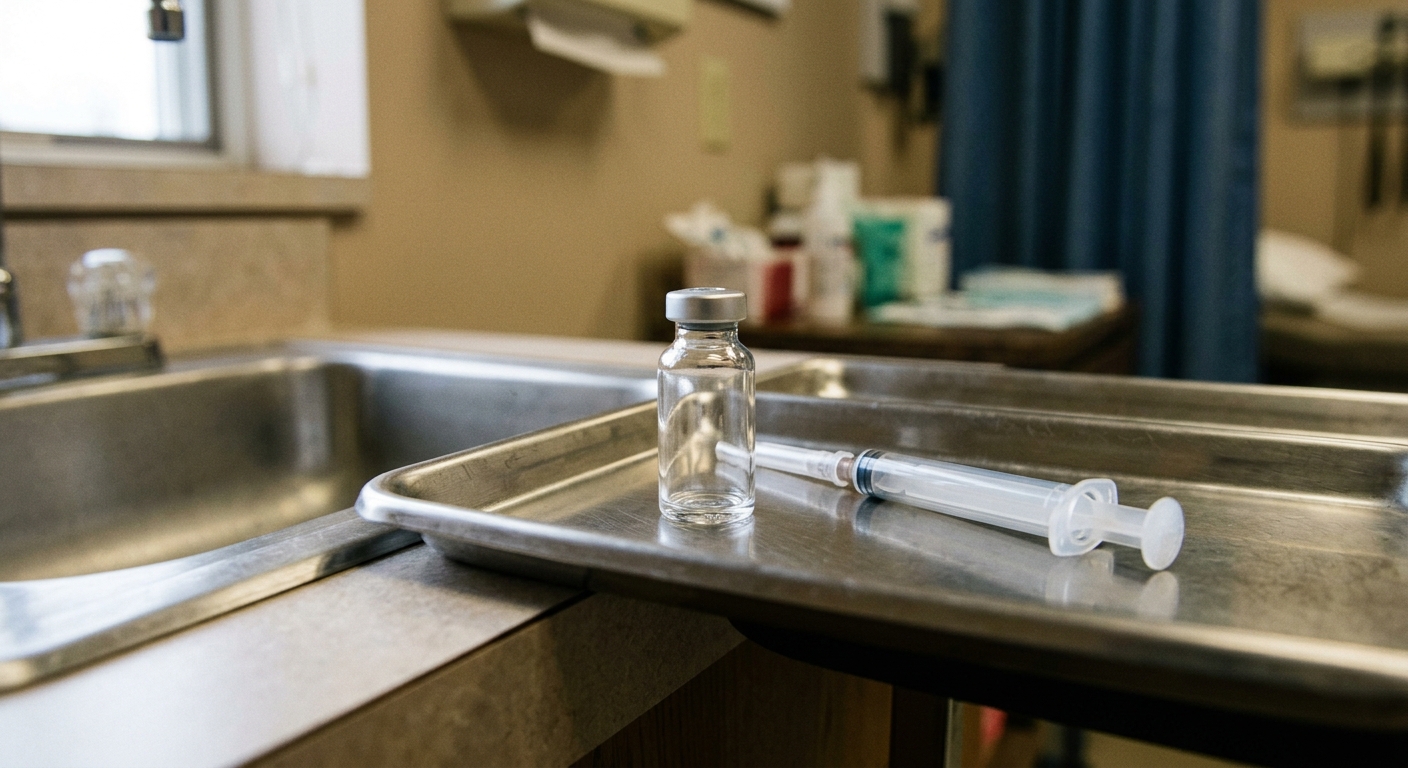
AI-generated illustration; not a photograph of the reported event.
- calendar_today October 12, 2026
Measles Concerns Rise Among Madison Parents
As a recent measles outbreak affects several counties in southwestern Wisconsin, parents and health officials in Madison are considering the risk and implications for their community. While Dane County maintains higher-than-average vaccination rates, the proximity of cases in other counties has prompted discussions about the importance of measles vaccination and the challenges facing public health efforts.
Vaccination Rates and Local Coverage
For the 2025-2026 school year, Dane County reported more than 90% of students meeting minimum immunization requirements, according to a report from Public Health Madison & Dane County. The county's rate for the MMR (measles, mumps, and rubella) vaccine stands at 95.9% across 192 schools—higher than Wisconsin's overall average. However, vaccination rates for 2-year-olds in Dane County between 2020 and 2025 hovered at 75-76%, with much lower coverage in nearby counties affected by the outbreak: Grant (47.8%), Iowa (66.4%), Lafayette (48.1%), and Vernon (32.2%).
Recent Measles Outbreak and Its Reach
According to the Wisconsin Department of Health Services, as of October 6, 2026, there have been 258 confirmed or probable measles cases in the state, with outbreaks contained to Grant, Iowa, Lafayette, and Vernon counties. Nearly all reported cases involved unvaccinated individuals, which resulted in five hospitalizations but no deaths. Dane County and the city of Madison have not reported any cases so far in 2026.
Parental Concerns and School Preparedness
Parents like Meghan Carey, whose children attend public school in Madison, have made vaccination a priority. Carey expresses concern about her children's daily interaction with potentially unvaccinated individuals, noting the risk this presents to medically vulnerable families. Meanwhile, Dan Marlin, another Madison parent, is considering early administration of the second MMR dose for his youngest child due to concerns around exposure, especially as his family enjoys travel and public activities.
Karilyn Stampfli, a health services coach with the Madison school district, says the district is monitoring measles and other transmissible diseases, routinely planning with public health partners to respond appropriately should an outbreak occur.
Trends in Vaccine Hesitancy and Public Health Response
Despite a slight improvement in Wisconsin's kindergarten vaccination rate for MMR—from 84.8% in 2024-2025 to 85.1% in 2025-2026—this remains below the 95% level generally needed for effective herd immunity. The Wisconsin Department of Health notes this gap increases the risk of community spread during outbreaks. A rise in vaccination waivers, particularly for personal convictions, has also been documented. Nearly 8% of Wisconsin students and about 4% in Dane County received a waiver for at least one vaccine in the current school year. The proportion of Dane County students waiving all vaccines, though still low, nearly doubled between 2021-2022 and 2025-2026.
The Role of Vaccine Advocacy and Misinformation
Organizations such as Wisconsin Families for Vaccines have emerged, focusing on mobilizing parents and families to support science-based vaccine policies and sharing personal stories to encourage immunization. However, vaccine hesitancy remains a challenge. Dr. Dipesh Navsaria, professor of pediatrics at UW-Madison, notes that anti-vaccination rhetoric is gaining traction through social media and amplification by high-profile figures, which spreads vaccine misinformation further. Navsaria emphasizes the historic effectiveness of immunization and the critical need for rebuilding public trust.
Epidemiologist Michael Mina has publicly expressed skepticism that the current epidemic will resolve naturally, advocating for new strategies to address misinformation and foster consensus on vaccination benefits. Mina warns against ridiculing those hesitant about vaccines, underscoring the importance of understanding and outreach to rebuild community trust and protect public health.
Source: isthmus.com.