
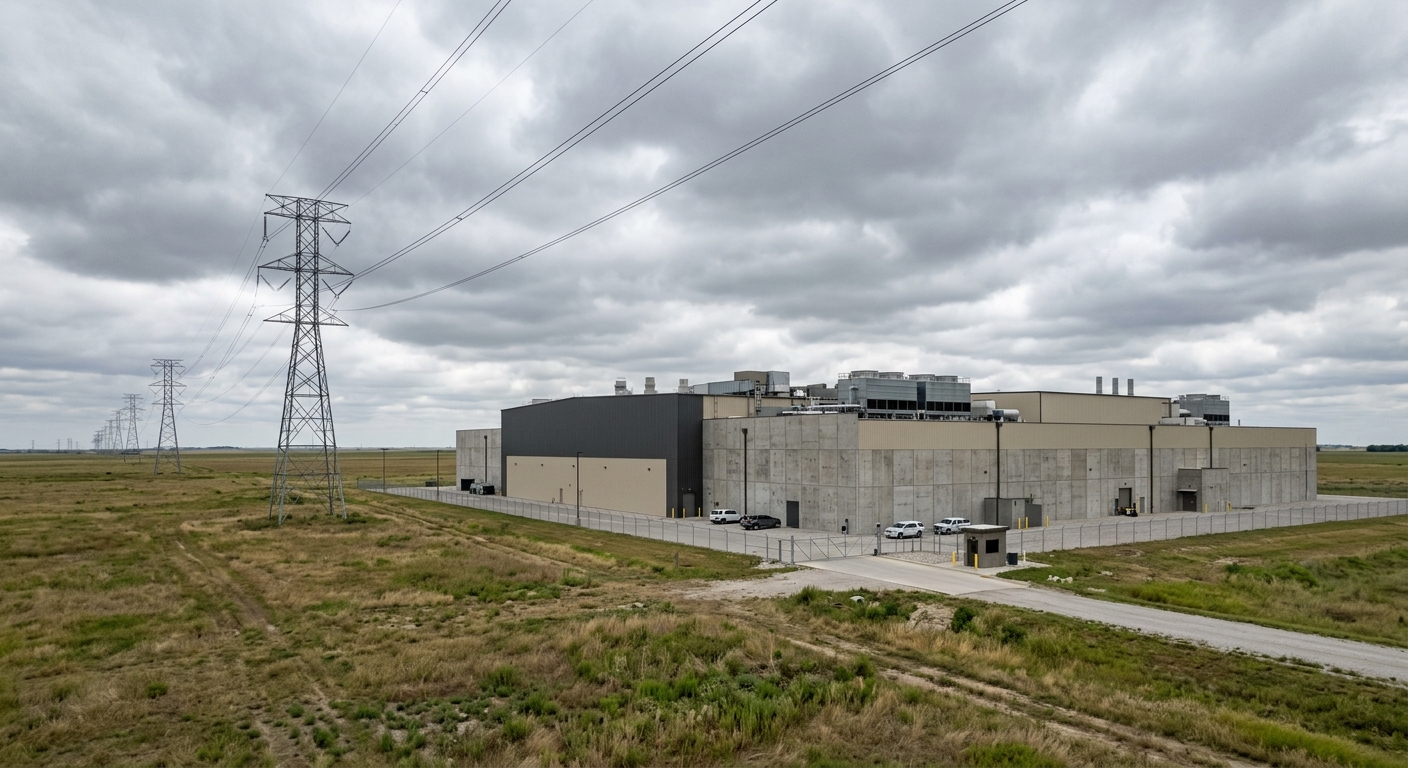
AI-generated illustration; not a photograph of the reported event.
- calendar_today August 22, 2026
In Wisconsin, the rapid rise of data centers is shaping energy policy, local development, and utility strategies, as regional and national players move to secure prime sites and favorable rates for hyperscale computing facilities. The growing interest underscores Wisconsin’s emergence as a significant destination for digital infrastructure investment, impacting communities throughout the region.
Cloverleaf Infrastructure Targets Madison Gas & Electric Service Area
Cloverleaf Infrastructure LLC, a Houston-based specialist facilitating large-scale data center development, has taken an active role in Wisconsin’s burgeoning market. The company recently filed a motion with the Wisconsin Public Service Commission (PSC), seeking to intervene in Madison Gas & Electric’s (MGE) proposal for new utility rates targeting very large customers, particularly hyperscale data centers. This move highlights Cloverleaf’s intent to shape the financial landscape for potential facilities in southern Wisconsin.
Utility Tariffs Reflect Broader Data Center Growth
The expansion of large scale data centers is now a central focus for several Wisconsin utilities. In addition to MGE, both Wisconsin Electric Power Company and Alliant Energy are seeking PSC approval for new utility tariffs designed to attract and accommodate massive computing operations. These tariffs allow companies to recoup infrastructure build-out costs directly from new or expanding customers, reflecting a shift toward accommodating the unique demands of energy-intensive industries.
Balancing Energy Rates and Consumer Protections
Recognizing the impact of these changes on everyday consumers, the PSC has worked to adjust tariff structures. Recent measures extend the terms of large customer agreements and ensure coverage for smaller facilities, aiming to prevent cross-subsidization and shield households from excessive energy rates. With energy consumption in Wisconsin projected to rise by over 40% by 2032—much of it driven by data center development—these policy decisions carry increasing significance.
Moratoriums in Dane County and Madison
As data center builders scout out new opportunities, some local governments are enacting safeguards. Dane County and the city of Madison have both imposed data center moratoriums, pausing new projects while they refine zoning rules and assess community impacts. These suspensions reflect growing concerns over land use, environmental effects, and infrastructure demands associated with hyperscale facilities. Public meetings and workshops have been scheduled to inform forthcoming policy.
Major Projects and Ongoing Land Prospecting
Cloverleaf recently played a pivotal role in the $15 billion Stargate data campus in Port Washington, positioning the company at the forefront of Wisconsin’s tech infrastructure push. Now, Cloverleaf is eyeing approximately 300 acres on Madison’s east side for another potential large scale data center. This land prospecting signals continued momentum despite current regulatory pauses, with developers confident that demand for regional digital infrastructure will persist.
Public Participation and Policy Outlook
Stakeholders across Wisconsin are encouraged to contribute input as the PSC invites commentary on strategic energy assessments through late September. This engagement offers local residents, businesses, and institutions an opportunity to weigh in on how utility tariffs and regulatory frameworks can balance innovation with public interest.
Future of Data Centers in Wisconsin’s Communities
Though some uncertainty remains amid evolving regulations, the convergence of utility strategies, developer interest, and public oversight is set to define the future landscape of data centers in Wisconsin. Close collaboration between agencies like the Public Service Commission, energy providers such as Madison Gas Electric, and regional stakeholders will be vital to ensuring that economic opportunities align with community needs as the state navigates this crucial transition.


